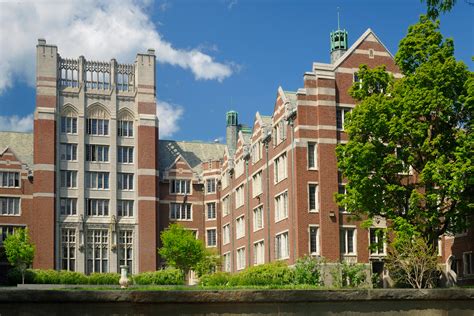
In today’s rapidly evolving world, a liberal arts education is more valuable than ever before. By nurturing critical thinking, analytical reasoning, and effective communication skills, liberal arts colleges empower students with the foundational knowledge and transferable abilities necessary to succeed in any field or profession.

The Benefits of a Liberal Arts Education
According to the American Academy of Arts & Sciences, liberal arts graduates:
- Are more likely to be employed and earn higher salaries
- Possess superior communication and problem-solving skills
- Exhibit strong leadership qualities and ethical values
- Are more engaged in their communities and participate in higher levels of civic involvement
Choosing the Right Liberal Arts College
With numerous exceptional liberal arts colleges across the United States, selecting the best fit for you can be a daunting task. Consider the following factors:
- Faculty: Research the expertise and experience of faculty members in your areas of interest.
- Curriculum: Explore the course offerings, major programs, and available minors to ensure they align with your academic goals.
- Campus Culture: Visit the campuses or connect with current students to gauge the social and intellectual environment.
- Location: Determine if the college’s location meets your preferences for urban, suburban, or rural settings.
- Cost and Financial Aid: Research tuition, fees, and available financial aid options to assess affordability.
Top-Ranked Colleges for Liberal Arts
According to the U.S. News & World Report’s 2023 Best Colleges rankings, the following institutions rank among the top liberal arts colleges in the nation:
- Williams College
- Amherst College
- Swarthmore College
- Pomona College
- Haverford College
What Makes a Great Liberal Arts College?
Great liberal arts colleges prioritize the following attributes:
- Small Class Sizes: Encourage personalized instruction and active student participation.
- Rigorous Curriculum: Challenge students intellectually and foster deep understanding.
- Diverse Faculty: Offer perspectives from various disciplines and backgrounds.
- Liberal Arts Values: Emphasize critical thinking, open-mindedness, and the pursuit of knowledge for its own sake.
- Strong Alumni Network: Provide mentorship, career opportunities, and lifelong connections.
Table 1: Top-Ranked Liberal Arts Colleges
| Rank | College | Location |
|---|---|---|
| 1 | Williams College | Williamstown, MA |
| 2 | Amherst College | Amherst, MA |
| 3 | Swarthmore College | Swarthmore, PA |
| 4 | Pomona College | Claremont, CA |
| 5 | Haverford College | Haverford, PA |
Table 2: Liberal Arts Majors with High Employability
| Major | Median Salary (2021) |
|---|---|
| Economics | $127,990 |
| Political Science | $125,330 |
| Psychology | $82,180 |
| Sociology | $85,230 |
| History | $63,390 |
Table 3: Career Options for Liberal Arts Graduates
| Field | Skills |
|---|---|
| Education | Teaching, administration, counseling |
| Business | Management, finance, marketing |
| Law | Legal research, advocacy, negotiation |
| Healthcare | Social work, public health, health policy |
| Journalism | Writing, reporting, editing |
Table 4: How to Apply to Liberal Arts College
Step 1: Research and Visit
* Explore college websites, attend virtual or in-person tours.
* Connect with current students and alumni.
Step 2: Prepare Your Application
* Submit a strong personal statement highlighting your academic interests, extracurricular activities, and why you’re a good fit for the college.
* Gather letters of recommendation from teachers, counselors, and mentors.
* Work on your SAT or ACT scores if required.
Step 3: Submit and Track
* Submit your application by the deadlines.
* Track your application status through the college’s online portal.
Step 4: Decision and Acceptance
* Receive your admission decision.
* If accepted, complete the enrollment process and secure housing.
Conclusion
A liberal arts education is an invaluable investment in your personal and professional growth. By expanding your knowledge and cultivating critical thinking skills, you will be well-equipped to navigate the challenges and seize the opportunities of the 21st century. Take the time to explore your options, choose the right college, and embark on a transformative journey that will empower you to make a meaningful impact on the world.