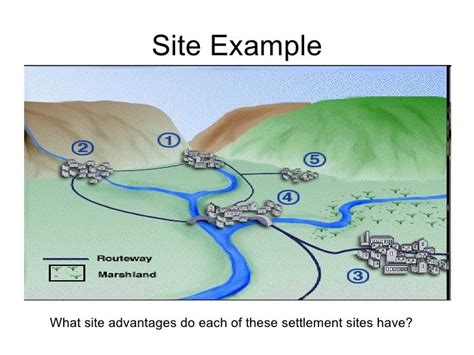
Understanding Site Geography
Site geography refers to the physical and spatial characteristics of a specific location. It encompasses various aspects that shape the landscape and influence human activities within that area. Comprehensive knowledge of site geography is crucial for architects, engineers, urban planners, and other professionals involved in land development and management.

Key Elements of Site Geography
1. Topography:
Topography describes the three-dimensional shape and elevation of the land surface. It includes features such as hills, valleys, slopes, and water bodies. Understanding topography helps determine potential building sites, drainage patterns, and natural hazards.
2. Geology:
Geology refers to the composition and structure of the earth’s materials beneath the surface. It includes rock formations, soil types, and groundwater conditions. Geological knowledge guides decisions on foundation design, excavation methods, and environmental remediation.
3. Hydrology:
Hydrology studies water resources, including surface water (rivers, lakes, streams) and groundwater. It evaluates water flow patterns, drainage systems, and potential flooding risks. Hydrological analysis informs decisions about water supply, stormwater management, and flood control.
4. Vegetation:
Vegetation encompasses plant life, including trees, shrubs, and grasses. Its distribution and density impact soil stability, wildlife habitats, and microclimate conditions. Vegetation management plays a role in landscaping, erosion control, and biodiversity conservation.
5. Climate:
Climate refers to long-term weather patterns that characterize a specific region. It includes factors such as temperature, precipitation, wind speed, and humidity. Climate data informs decisions on building orientation, energy efficiency, and outdoor recreation.
6. Infrastructure:
Infrastructure includes man-made structures such as roads, utilities, and transportation networks. Its presence and accessibility influence land use, property values, and the viability of development projects.
Importance of Site Geography in Planning and Development
-
Informed Land Use Decisions: Understanding site geography enables planners and developers to identify the most appropriate land uses based on physical constraints and opportunities.
-
Sustainable Development: Site geography analysis helps ensure that development projects are environmentally friendly by considering factors such as slope stability, water resources, and vegetation conservation.
-
Hazard Mitigation: Site geography assessment identifies potential natural hazards (e.g., landslides, floods) and guides measures to mitigate their risks.
-
Aesthetic Considerations: Site geography influences the aesthetic appeal of the built environment. It helps architects design buildings that complement the natural landscape and create visually pleasing spaces.
-
Historical Context: Site geography can reveal historical land uses and features that may influence the design and preservation of cultural heritage sites.
Tips and Tricks for Understanding Site Geography
1. Explore Geospatial Data: Utilize online tools like Google Earth and ArcGIS to access satellite imagery, elevation data, and other geospatial information.
2. Conduct Field Surveys: Visit the site personally to observe firsthand the physical features, vegetation, and any existing infrastructure.
3. Consult Experts: Engage geologists, hydrologists, and other professionals to gain specialized insights into specific aspects of site geography.
4. Consider Historical Maps and Documents: Review historical maps, aerial photographs, and land records to understand previous land uses and changes over time.
Case Study: The Impacts of Site Geography on a Real Estate Development
In a coastal city, a real estate developer planned to build a luxury apartment complex. The site had a gentle slope towards the ocean, but the developer was unaware of a fault line running beneath the surface.
During construction, the fault line activated, causing significant ground movement. The complex suffered extensive damage, resulting in millions of dollars in losses.
Had the developer conducted a thorough site geography analysis, they would have identified the fault line and taken appropriate measures to mitigate its risk. This would have prevented the disaster and ensured the success of the development project.
Conclusion
Site geography is a multifaceted concept that plays a critical role in land development and planning. By understanding its key elements, professionals can make informed decisions that promote sustainable, safe, and aesthetically pleasing environments. Embracing the principles of site geography leads to better land use outcomes and enhances the quality of life for communities.