Introduction: The Seeds of a Religious Revolution
In the mid-18th century, amidst the religious fervor that swept through the American colonies, a movement known as the Great Awakening emerged. This transformative spiritual revival had a profound impact on the social, political, and cultural fabric of the nascent American nation. Preachers such as Jonathan Edwards, George Whitefield, and Samuel Davies ignited a religious zeal that spread like wildfire, igniting a widespread spiritual awakening that left an enduring legacy on the colonies.

The Roots of Religious Revival
The Great Awakening was rooted in a number of factors that had been simmering in colonial society:
- Religious Conservatism: The established churches in the colonies had become increasingly rigid and formal, with an emphasis on adherence to doctrine and ritual. This alienated many colonists who sought a more personal and emotional connection with their faith.
- Economic Instability: The mid-18th century witnessed economic hardships in the colonies, leading to widespread anxiety and a search for spiritual solace.
- Frontier Expansion: The westward expansion of colonists brought them into contact with Native American cultures and their spiritual beliefs, which influenced the religious sensibilities of settlers.
Preachers and Their Passion
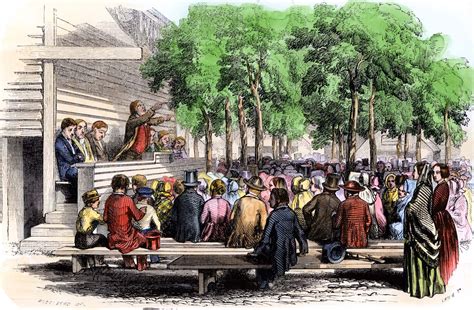
The Great Awakening was characterized by the passionate preaching of a new generation of ministers who sought to awaken the hearts and minds of colonists. These preachers used vivid imagery, emotional appeals, and compelling storytelling to deliver powerful sermons that ignited spiritual fervor:
- Jonathan Edwards: Edwards, the influential pastor of the Northampton Congregational Church in Massachusetts, emphasized the horrors of hell and the need for personal salvation.
- George Whitefield: A charismatic itinerant preacher from England, Whitefield traveled throughout the colonies, delivering fiery sermons that drew massive crowds.
- Samuel Davies: A Presbyterian minister from Virginia, Davies appealed to the emotions of colonists, emphasizing the importance of conversion and religious experience.
The Impact on Society
The Great Awakening had a far-reaching impact on colonial society:
- Religious Pluralism: The movement led to a proliferation of new denominations, including Methodists, Baptists, Presbyterians, and Congregationalists. This increased religious diversity challenged the dominance of established churches.
- Social Mobility: The Great Awakening empowered ordinary colonists to challenge authority figures, both in the church and in society. It fostered a sense of equality and a belief in the ability of individuals to find their own religious path.
- Political Awakening: The revivalist fervor of the Great Awakening inspired a spirit of independence and resistance to authority. It contributed to the growing sense of American nationalism and the eventual American Revolution.
The Legacy of the Great Awakening
The Great Awakening left a lasting legacy on American history:
- Religious Identity: The movement helped to shape the religious identity of the United States, fostering a strong emphasis on personal experience, emotionalism, and religious freedom.
- Intellectual Awakening: The Great Awakening encouraged colonists to question established beliefs and embrace new ideas. It laid the groundwork for the Enlightenment and the American Revolution.
- Social and Political Transformation: The revivalist spirit of the movement empowered ordinary citizens and contributed to the development of a more egalitarian society. It also stimulated political dissent and played a role in the American Revolutionary movement.
Conclusion: A Spiritual Catalyst
The Great Awakening was a transformative spiritual movement that had a profound impact on the American colonies. Its preachers ignited a religious zeal that spread like wildfire, inspiring a new era of religious pluralism and social upheaval. The movement left an enduring legacy on American society, shaping its religious, cultural, and political landscape for centuries to come.
Religious Pluralism: A Spectrum of Beliefs
The Great Awakening led to a proliferation of new denominations and religious groups, creating a diverse religious landscape in the colonies:
- Methodists (1739): Led by John Wesley in England, Methodists emphasized personal experience, lay leadership, and social outreach.
- Baptists (1638): Emerging from the Puritan tradition, Baptists emphasized believer’s baptism and congregational autonomy.
- Presbyterians (1706): A Scottish-influenced denomination, Presbyterians emphasized predestination and the sovereignty of God.
- Congregationalists (1631): A Puritan denomination, Congregationalists emphasized the autonomy of local churches and the importance of covenant theology.
This religious pluralism challenged the dominance of established churches and fostered a spirit of tolerance and religious freedom.
Social Mobility: Empowering the Common Citizen
The Great Awakening empowered ordinary colonists by providing a platform for their voices and experiences:
- Challenged Authority: Revivalist preachers encouraged colonists to question established authority figures, both in the church and in society.
- Increased Literacy: The movement’s emphasis on personal religious experience led to an increased demand for literacy, allowing ordinary people to access religious texts and participate in theological debates.
- Participation in Public Affairs: The Great Awakening fostered a sense of civic responsibility and encouraged colonists to participate in public affairs. This contributed to the development of a more democratic society.
Political Awakening: Seeds of Revolution
The revivalist fervor of the Great Awakening inspired a spirit of independence and resistance to authority:
- American Nationalism: The movement’s emphasis on individual liberty and self-determination resonated with colonists’ growing sense of American nationalism.
- Political Dissent: The challenge to established authority extended to the political sphere, contributing to the growing tensions between the colonies and Great Britain.
- Revolutionary Spirit: The Great Awakening’s emphasis on the power of ordinary people played a role in fostering the revolutionary spirit that culminated in the American Revolution.
| Denomination | Number of Churches (1775) |
|---|---|
| Congregationalists | 1,100 |
| Presbyterians | 800 |
| Baptists | 700 |
| Methodists | 220 |
| Lutherans | 130 |
Source: “Religion and the American Republic: The American Revolution and the Shaping of Religious Freedom” by Edwin S. Gaustad
| Literacy Rates | 1700 | 1770 |
|---|---|---|
| New England | 70% | 90% |
| Middle Colonies | 50% | 75% |
| Southern Colonies | 20% | 40% |
Source: “A History of American Literary Culture” by Emory Elliott
The term “revivalist” captures the essence of the Great Awakening’s transformative spiritual movement. It describes individuals or movements that seek to rekindle religious zeal and experience, often through passionate preaching and emotional appeals. This word can inspire the development of new applications that facilitate spiritual growth and connection:
- Revivalist Apps: Apps that provide access to sermon recordings, Bible studies, and online communities for spiritual development.
- Revivalist Software: Software that supports churches and organizations in planning and executing revivalist events and initiatives.
- Revivalist Networks: Online platforms that connect revivalists with individuals and groups seeking spiritual inspiration and guidance.
1. What caused the Great Awakening?
Answer: Religious conservatism, economic instability, and frontier expansion contributed to the rise of the movement.
2. Who were the key figures in the Great Awakening?
Answer: Jonathan Edwards, George Whitefield, and Samuel Davies were prominent preachers who ignited the revivalist fervor.
3. What was the impact of the Great Awakening on colonial society?
Answer: The movement led to religious pluralism, social mobility, and a political awakening that influenced the American Revolution.
4. How did the Great Awakening contribute to American religious identity?
Answer: The movement fostered an emphasis on personal experience, emotionalism, and religious freedom, shaping the spiritual landscape of the United States.
5. What is a “revivalist”?
Answer: A “revivalist” is an individual or movement that seeks to rekindle religious zeal and experience through passionate preaching and emotional appeals.
6. How can the term “revivalist” inspire new applications?
Answer: The term can inspire the development of apps, software, and networks that support spiritual growth and connection.
7. What are some notable denominations that emerged during the Great Awakening?
Answer: Methodists, Baptists, Presbyterians, and Congregationalists were among the new denominations that gained prominence during the movement.
8. How did the Great Awakening contribute to the American Revolution?
Answer: The revivalist spirit of the movement empowered ordinary citizens and encouraged them to challenge authority, contributing to the growing tensions between the colonies and Great Britain.