Institutional Review Board: Your Guiding Light
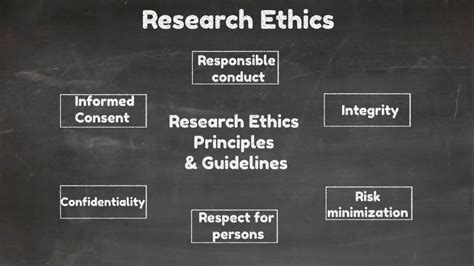
Spel institutional review board (IRB) is your trusted companion in the world of research ethics. As an independent body, it attentively reviews and assesses research projects involving human subjects, ensuring their safety, rights, and well-being are prioritized throughout the research endeavor.
Protecting Human Participants: A Paramount Concern
According to the National Institutes of Health (NIH), approximately 2,000 clinical trials are initiated each year, involving over 2.5 million participants. With such a vast scale of human involvement, the need for robust ethical oversight becomes indispensable. Spel IRB takes the lead in safeguarding the interests of research participants by meticulously assessing:
– Informed Consent: Every participant has the right to be fully informed about the research’s purpose, methods, potential risks, and benefits. IRB meticulously checks whether researchers obtain genuine informed consent before enrolling participants.
– Risk-Benefit Ratio: IRB evaluates the potential risks and benefits of each research project. It ensures that the potential benefits outweigh the risks, providing a favorable risk-benefit ratio for participants.
– Data Confidentiality: Protecting the privacy and confidentiality of research participants is paramount. IRB ensures that researchers adhere to strict data protection protocols, safeguarding participant information from unauthorized access.
Collaborative Partnership for Ethical Research
Spel IRB works hand-in-hand with researchers to ensure adherence to ethical guidelines. By engaging in ongoing dialogue and providing guidance, the IRB fosters a collaborative environment where researchers can confidently navigate the complexities of research ethics. This partnership allows research teams to:
– Streamline Approvals: IRB offers timely review and approval processes, empowering researchers to initiate their studies efficiently.
– Enhance Research Design: Through its expert guidance, the IRB assists researchers in developing ethical and scientifically sound study designs, minimizing potential risks and maximizing benefits.
– Foster Ethical Practices: The IRB’s active engagement promotes a culture of ethical research throughout the institution, fostering a shared commitment to the well-being of research participants.
Beyond Compliance: Advancing Ethical Frontiers
Spel IRB is not just a compliance checkpoint but an incubator of innovation. Through its advisory role, the IRB encourages researchers to push the boundaries of ethical research:
– Novel Applications of Technology: IRB assists researchers in exploring innovative uses of technology to enhance participant engagement, data collection, and privacy protection.
– Community-Engaged Research: The IRB supports research that engages communities as active partners, ensuring research aligns with their values and addresses their concerns.
– Ethical AI and Machine Learning: IRB guides researchers in addressing ethical considerations related to AI and machine learning, fostering responsible and equitable use of these technologies.
Practical Tips and Tricks
Navigating the IRB review process can be smoother with these practical tips:
– Submit Early: Allow ample time for IRB review, especially for complex projects or those involving vulnerable populations.
– Be Organized: Prepare a comprehensive IRB submission package that clearly outlines your research protocol and ethical considerations.
– Communicate Effectively: Engage in open communication with the IRB, promptly responding to questions and seeking guidance when needed.
– Respect the Process: Recognize that IRB review is essential for ethical research and approach the process with patience and respect.
Frequently Asked Questions
Q: What types of research require IRB review?
A: All research involving human subjects, including surveys, interviews, observations, and clinical trials.
Q: How long does IRB review take?
A: Review times vary depending on the complexity of the research. However, IRB strives for timely approval while ensuring thorough ethical assessment.
Q: What happens if my research is not approved?
A: If the IRB denies your request, it will provide specific reasons for the decision. You may revise your protocol and resubmit for consideration.
Q: How can I appeal an IRB decision?
A: Spel IRB offers an appeal process for researchers who believe the decision was based on incorrect information or misinterpretation of policies.