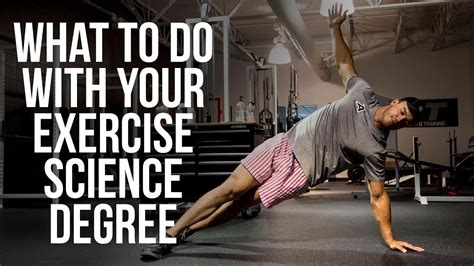
Earning an exercise science degree opens doors to a wide array of fulfilling careers that revolve around health, fitness, and human movement. With a solid understanding of the human body, principles of exercise, and nutrition, exercise science graduates are uniquely equipped to make a positive impact in the lives of individuals and communities.

Discover Your Path: Exploring Career Options
The Bureau of Labor Statistics projects a 13% growth in the field of exercise physiology through 2030. This aligns with the growing demand for health and wellness professionals who can assist individuals in managing chronic diseases, improving fitness, and achieving optimal health outcomes. Here are some potential career paths to consider:
1. Certified Strength and Conditioning Specialist (CSCS)
CSCSs are in high demand in sports, fitness facilities, and corporate wellness programs. They specialize in designing and implementing personalized strength and conditioning programs to enhance athletic performance, rehabilitate injuries, and improve overall fitness. The average salary for a CSCS exceeds $60,000 per year.
2. Exercise Physiologist
Exercise physiologists work with individuals with chronic diseases, such as heart disease, diabetes, and obesity. They develop and supervise exercise programs to improve cardiovascular health, blood sugar control, and mobility. According to the American College of Sports Medicine, exercise physiologists earn an average of $52,000 annually.
3. Fitness Manager
Fitness managers oversee the operations of fitness facilities, including fitness centers, gyms, and health clubs. They develop fitness programs, manage staff, and ensure the safety and effectiveness of the facility’s equipment and services. The average salary for fitness managers is $57,000 per year.
4. Health Educator
Health educators work in community settings, schools, and workplaces to promote healthy behaviors and prevent chronic diseases. They develop educational programs, deliver presentations, and provide counseling on topics such as nutrition, physical activity, and stress management. The average salary for health educators is $49,000 annually.
Unleash Your Creativity: Generating Ideas Beyond Traditional Roles
In addition to these traditional career paths, exercise science graduates can leverage their knowledge and skills to pursue a variety of other fulfilling roles. With some creative thinking and networking, you can uncover hidden opportunities that align with your interests and passions. Here are a few ideas to spark your imagination:
1. Personal Trainer for Athletes
Tailor your training programs to meet the specific needs of athletes from various sports. Use your expertise to optimize their performance and minimize the risk of injuries.
2. Fitness Technology Specialist
Be on the cutting edge of fitness technology. Work with fitness device manufacturers or app developers to design, test, and market new products that enhance the user experience.
3. Health and Wellness Coach
Combine your exercise science knowledge with coaching principles. Provide holistic support to individuals looking to improve their overall health and well-being through healthy behaviors.
Tips and Tricks for a Successful Career
To maximize your career opportunities, follow these expert tips and tricks:
1. Networking and Professional Development
Attend industry conferences, join professional organizations, and connect with other professionals in the field. Invest in your professional development by pursuing certifications, workshops, and continuing education programs.
2. Specialization and Niche Development
Identify a specific area of interest within the field and pursue advanced training or education to develop specialized skills. This will enhance your value as a professional and open up new career opportunities.
3. Technology and Data Analysis Skills
Familiarize yourself with technology tools and data analysis techniques used in the health and fitness industry. Use evidence-based approaches and data-driven insights to enhance your decision-making and program design.
Step-by-Step Approach to Your Career Journey
Follow these steps to navigate your career path successfully:
1. Self-Assessment and Goal Setting
Identify your interests, skills, and career aspirations. Research different career options and determine the steps you need to take to achieve your goals.
2. Education and Training
Pursue an exercise science degree and consider additional certifications or training programs to enhance your skills and knowledge.
3. Experience and Practical Skills
Gain practical experience through internships, volunteer work, or part-time jobs to develop hands-on skills and make industry connections.
4. Networking and Professional Development
Engage in networking activities, attend conferences, and participate in professional organizations to expand your professional network and stay updated on industry trends.
5. Continuous Learning and Adaptation
Stay abreast of the latest scientific advancements, fitness technologies, and health trends through continuing education and professional development opportunities.
Frequently Asked Questions
-
What are the benefits of an exercise science degree?
– Provides a comprehensive understanding of the human body, exercise principles, and nutrition.
– Opens doors to a wide range of rewarding careers in health, fitness, and human movement.
– Empowers you to make a positive impact on the lives of individuals and communities. -
What is the job outlook for exercise science graduates?
– The job outlook is promising, with a projected 13% growth in employment opportunities through 2030 (Bureau of Labor Statistics). -
What are the highest-paying jobs in exercise science?
– Exercise Physiologists, Strength and Conditioning Coaches, and Fitness Managers are among the highest-paid professionals in the field. -
How much do exercise science graduates earn?
– Salaries for exercise science graduates vary depending on their experience, specialization, and location. However, according to the U.S. Bureau of Labor Statistics, the median annual wage for exercise physiologists is $52,000. -
What skills are essential for a successful career in exercise science?
– Strong scientific foundation, knowledge of human physiology, principles of exercise, nutrition, and behavior change techniques are all essential skills for a successful career in exercise science. -
What are some alternative career paths for exercise science graduates?
– In addition to traditional roles, exercise science graduates can explore careers in health promotion, fitness technology, corporate wellness, and personal training for athletes. -
How can I enhance my employability and career prospects?
– Seek internships, volunteer experiences, and part-time jobs to gain practical skills.
– Build a professional network, attend industry conferences, and pursue certifications to enhance your credibility and visibility.
– Stay updated with the latest research and industry developments through continuing education opportunities. -
What resources are available for exercise science students and professionals?
– Professional organizations such as the American College of Sports Medicine (ACSM) and the National Strength and Conditioning Association (NSCA) provide valuable resources and support for exercise science professionals.