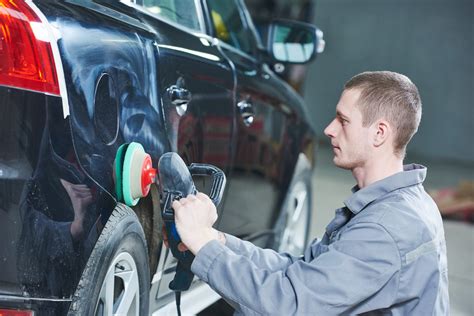
Becoming an auto body repairer requires a unique blend of technical expertise, artistic flair, and exceptional interpersonal skills. This comprehensive guide delves into the essential skills needed to excel in this rewarding and in-demand profession.

Technical Skills
1. Collision Repair Expertise
Auto body repairers possess a deep understanding of vehicle repair methods, including welding, painting, and panel replacement. They are skilled in repairing various types of collision damage, from minor dents to major structural repairs.
2. Paint and Refinishing Techniques
A strong foundation in paint and refinishing techniques is crucial. Auto body repairers must be proficient in mixing paint colours, preparing surfaces, and applying paint to achieve a flawless finish that matches the vehicle’s original appearance.
3. Mechanical Aptitude
Understanding automotive mechanical systems is essential for auto body repair. Repairers must diagnose electrical issues, replace suspension components, and ensure that all repaired vehicles are safe and roadworthy.
Artistic Skills
1. Eye for Detail
Auto body repairers have an exceptional eye for detail. They can identify even the smallest imperfections in a vehicle’s body and are meticulous in their work to ensure a seamless repair.
2. Artistic Expression
Although body repair is primarily a technical field, artistic expression plays a vital role. Repairers must have a keen aesthetic sense to blend repairs seamlessly with the vehicle’s original design.
3. Colour Matching Skills
Matching paint colours accurately is an art form. Auto body repairers must have a deep understanding of colour theory and the ability to mix and apply paint to achieve a perfect match.
Interpersonal Skills
1. Customer Service
Auto body repairers interact extensively with customers. They must be able to effectively communicate repair details, explain estimates, and address concerns in a friendly and professional manner.
2. Team Collaboration
Auto body repair shops often operate as teams. Repairers must be able to work collaboratively with colleagues, share knowledge, and support each other in completing repairs efficiently.
3. Negotiation Skills
Negotiation skills are valuable for auto body repairers. They may need to negotiate with insurance companies or customers to resolve disputes or reach a mutually acceptable agreement.
Additional Skills
1. Computer Literacy
Auto body repair shops increasingly utilize computer software for diagnostic purposes and repair estimates. Repairers must be comfortable using computers and relevant software to enhance their efficiency.
2. Safety Practices
Adherence to safety practices is paramount in auto body repair. Repairers must wear appropriate protective gear, follow proper handling procedures for hazardous materials, and maintain a clean and organized work environment.
Tips and Tricks for Success
- Seek Formal Education: Consider obtaining formal training at a trade school or community college to gain a solid foundation in auto body repair techniques.
- Apprenticeship Programs: Join an apprenticeship program to gain hands-on experience under the guidance of skilled professionals.
- Specialize in a Niche: Developing expertise in a particular area, such as collision repair or classic car restoration, can enhance your marketability.
- Stay Updated on Technology: The auto industry constantly evolves, so it’s important to keep up with the latest repair techniques and technologies.
- Build a Strong Portfolio: Showcase your best work in a portfolio to demonstrate your skills and attract potential clients.
Common Mistakes to Avoid
- Rushing Repairs: Avoid cutting corners to save time. Incomplete or improper repairs can compromise vehicle safety and lead to customer dissatisfaction.
- Ignoring Safety Measures: Neglecting safety practices can result in accidents or injuries. Always prioritize safety in your work environment.
- Overestimating Your Skills: Attempting repairs beyond your capabilities can lead to costly mistakes. Be honest about your expertise and refer customers to specialists if necessary.
- Poor Communication: Failing to communicate effectively with customers can create misunderstandings and conflicts. Keep customers informed throughout the repair process.
- Lack of Passion: Auto body repair requires dedication and a passion for the craft. Without a genuine interest in the field, it’s difficult to achieve success.
Pros and Cons of Being an Auto Body Repairer
Pros:
- High demand for skilled professionals
- Job security in a growing industry
- Opportunity for artistic expression
- Potential for self-employment
- Competitive salaries
Cons:
- Physically demanding work
- Exposure to hazardous materials
- Variable work hours
- Limited opportunities for advancement within the field
- Competitive job market
Conclusion
Becoming an auto body repairer is a fulfilling career that combines technical skills, artistic flair, and exceptional interpersonal abilities. By developing the skills outlined in this guide, you can establish a solid foundation for success in this rewarding and in-demand profession. Remember, passion, dedication, and a commitment to continuous improvement are the keys to unlocking your full potential as an auto body repairer.
Tables
Table 1: Common Collision Repair Techniques
| Technique | Description |
|---|---|
| Panel Replacement | Replacing damaged body panels with new or reconditioned ones |
| Welding | Joining metal panels together using heat and filler material |
| Plastic Repair | Repairing or replacing plastic components, such as bumpers and fenders |
| Frame Straightening | Restoring the original alignment of a damaged frame |
| Paint Refinishing | Applying new paint to restore the vehicle’s original colour and finish |
Table 2: Safety Practices for Auto Body Repairers
| Practice | Importance |
|---|---|
| Wearing Protective Gear | Prevents injuries from sparks, chemicals, and fumes |
| Handling Hazardous Materials Properly | Protects against exposure to toxic substances |
| Maintaining a Clean and Organized Work Environment | Reduces trip and fall hazards and prevents contamination |
| Following Electrical Safety Protocols | Prevents electrical shocks and fires |
| Using Proper Tools and Equipment | Ensures efficient and safe repairs |
Table 3: Advantages of Specialization in Auto Body Repair
| Specialization | Benefits |
|---|---|
| Collision Repair | Focus on specific collision repair techniques and materials |
| Classic Car Restoration | Expertise in restoring and preserving vintage vehicles |
| Custom Fabrication | Design and create unique body modifications |
| Paintless Dent Repair | Skill in removing dents without refinishing the vehicle |
| Advanced Refinishing | Mastery of advanced painting techniques, such as airbrushing and clear coat customization |
Table 4: Personal Qualities of Successful Auto Body Repairers
| Quality | Importance |
|---|---|
| Attention to Detail | Ensures precision in repairs and a high-quality finish |
| Artistic Sense | Enables blending repairs seamlessly with the vehicle’s original design |
| Problem-Solving Abilities | Finds effective solutions to complex repair challenges |
| Patience and Endurance | Remains focused and diligent throughout the repair process |
| Customer Focus | Prioritizes customer satisfaction and builds strong relationships |