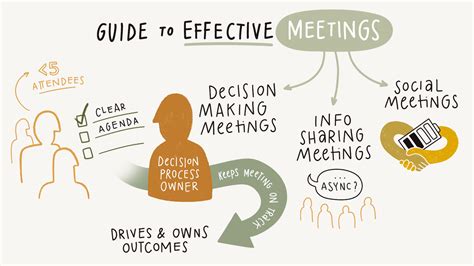
FBLA meetings are a crucial aspect of student growth and development. By providing a platform for collaboration, skill-building, and leadership development, these meetings play a pivotal role in shaping future business leaders. However, to ensure their effectiveness, it is essential to adopt a strategic approach that maximizes engagement, productivity, and overall impact.

Planning and Preparation
Effective meetings begin with thorough planning and preparation. Consider the following steps:
- Establish Clear Goals: Define specific objectives for each meeting, ensuring they align with the overall FBLA mission and goals.
- Create Agendas: Develop detailed agendas that outline the agenda items, time allocations, and responsibilities for each member.
- Distribute Materials: Provide members with necessary materials, such as handouts, presentations, and supporting documents, in advance.
Engagement and Participation
Engaging members is key to productive meetings. Implement these strategies:
- Active Participation: Encourage all members to participate actively by fostering a welcoming and inclusive environment.
- Icebreakers and Games: Incorporate icebreakers or games to break the ice and promote team building.
- Breakout Sessions: Utilize breakout sessions to facilitate small group discussions and problem-solving exercises.
Time Management and Efficiency
Meetings should be conducted efficiently to maximize time utilization:
- Start and End on Time: Respect attendees’ time by starting and ending meetings promptly.
- Timekeeping: Use a timer to track time allocations and ensure discussions stay on schedule.
- Establish Time Limits: Assign time limits to agenda items to prevent excessive discussions and ensure progress.
Technology Integration
Leverage technology to enhance meeting effectiveness:
- Virtual or Hybrid Meetings: Utilize video conferencing or hybrid meeting platforms to accommodate members with scheduling conflicts or travel constraints.
- Collaborative Platforms: Implement collaborative platforms, such as Google Drive or Microsoft Teams, to facilitate document sharing and real-time collaboration.
- Poll and Survey Tools: Use poll and survey tools to gather feedback, gauge understanding, and foster member engagement.
Tips and Tricks
- Keep Meetings Concise: Aim for meetings that are concise and focused, typically lasting between 30-60 minutes.
- Use Visual Aids: Incorporate visual aids, such as presentations or flip charts, to enhance understanding and keep attendees engaged.
- Encourage Note-Taking: Encourage attendees to take notes to improve comprehension and recall.
- Celebrate Success: Recognize and celebrate accomplishments and contributions, fostering a sense of accomplishment and motivation.
Common Mistakes to Avoid
To prevent ineffective meetings, it is crucial to avoid these common pitfalls:
- Unclear Goals: Lack of clear objectives can lead to aimless discussions and wasted time.
- Passive Participation: Meetings without active engagement can result in low productivity and disinterest.
- Poor Time Management: Letting meetings run over or drag on can undermine engagement and productivity.
- Dominating Discussions: A single member monopolizing discussions can hinder others from contributing and stifle diverse perspectives.
- Lack of Follow-Up: Failing to follow up on meeting outcomes can lead to lost momentum and diluted accountability.
| Meeting Format | Pros | Cons |
|---|---|---|
| In-person Meetings | Enhanced engagement: Face-to-face interactions promote deeper connections and non-verbal communication. Increased productivity: The absence of technological distractions can foster focused discussions. | Limited attendance: Scheduling conflicts and physical constraints can hinder attendance. Higher costs: Travel and accommodation expenses can add up. |
| Virtual Meetings | Increased accessibility: Remote participation allows members to attend from anywhere. Reduced costs: Eliminates travel and venue expenses. | Potential technical issues: Connectivity problems or software glitches can disrupt the meeting flow. Reduced engagement: Virtual environments may limit non-verbal communication and hinder active participation. |
| Hybrid Meetings | Flexibility: Combines the advantages of in-person and virtual formats. Enhanced participation: Allows members to choose their preferred mode of attendance. | Complexity: Coordinating hybrid meetings can be challenging, requiring additional technical considerations. Potential disparities: Different attendance modes can create unequal engagement opportunities. |
To overcome challenges and generate innovative solutions, employ the following techniques:
- Brainstorming: Foster open-ended discussions where members generate ideas without judgment.
- Mind Mapping: Use visual diagrams to connect ideas and explore relationships between concepts.
- Role-Playing: Assign members to play different roles to simulate scenarios and develop diverse perspectives.
- Storytelling: Encourage members to share real-life experiences or case studies to provide context and inspire innovation.
Conclusion
Effective FBLA meetings are a cornerstone of student development and organizational success. By adopting a strategic approach that emphasizes planning, engagement, efficiency, technology integration, and continuous improvement, FBLA chapters can maximize the impact of their meetings, fostering collaboration, skill-building, and leadership excellence among their members.