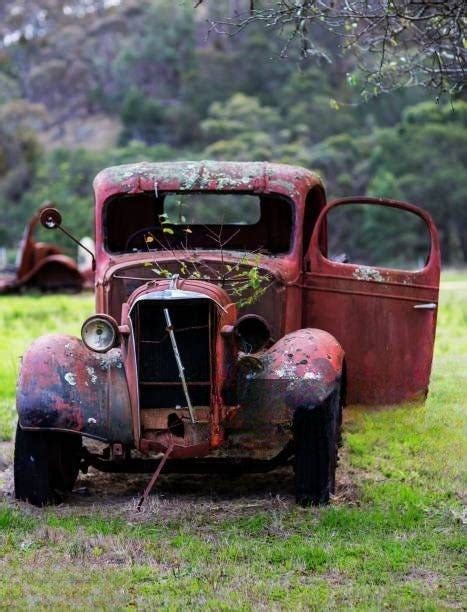
As your beloved car ages, you may find yourself wondering what to do with it. Whether it’s no longer roadworthy, has become unreliable, or simply doesn’t meet your needs anymore, disposing of an old car can be a daunting task. This comprehensive guide will provide you with all the information you need to make an informed decision about the best way to part ways with your automotive companion.

1. Sell Your Car
If your car is still in good condition and has some value, selling it might be a good option. You can sell it privately through online marketplaces like Craigslist or Facebook Marketplace, or you can trade it in at a dealership when you purchase a new car.
Things to consider:
- Age and condition of the car: The value of your car will depend on its age, mileage, and overall condition.
- Local market demand: Do some research to find out what similar cars are selling for in your area.
- Time and effort: Selling a car privately can be time-consuming and may require some negotiation.
2. Donate Your Car
Donating your old car to a qualified charity is a great way to get rid of it while also supporting a good cause. Many charities accept car donations and will even arrange for the vehicle to be picked up.
Things to consider:
- Tax deduction: You may be eligible for a tax deduction for the value of your donated car.
- Support a good cause: Donating your car is a meaningful way to help a worthy organization.
- Condition of the car: Some charities may not accept cars that are not in good working condition.
3. Scrap Your Car
If your car is no longer roadworthy or has little to no value, scrapping it may be the most practical option. Scrap yards pay you for the weight of the metal in your car, so you can earn some money while getting rid of it.
Things to consider:
- Scrap value: The amount you get for your car will depend on the weight and type of metal it contains.
- Environmental impact: Scrapping your car is an environmentally friendly way to dispose of it.
- Preparation: You may need to remove personal belongings and prepare your car for towing to the scrap yard.
4. Recycle Your Car
Car recycling is a relatively new option that is becoming increasingly popular. It involves dismantling the car and sorting the components into different materials, which are then recycled.
Things to consider:
- Environmental benefits: Car recycling is a more sustainable way to dispose of your car than scrapping or landfilling.
- Potential costs: Some recycling facilities may charge a fee for their services.
- Availability: Car recycling is not available in all areas.
5. Other Creative Options
In addition to the traditional disposal options, there are a number of creative ways to repurpose an old car. Here are a few ideas to get you started:
- Turn it into a planter box: Remove the engine and other components and use the body of the car as a unique planter for flowers, vegetables, or herbs.
- Create a playhouse or fort: With a little imagination, you can transform an old car into a fun and imaginative play space for your kids.
- Build a shed or storage unit: By enclosing the back seat and trunk area, you can create a sturdy and practical storage space for tools, equipment, or other items.
- Use it for art projects: Old cars can be used as canvases for murals, sculptures, and other artistic creations.
Factors to Consider When Choosing a Disposal Option
Before deciding on a disposal option for your old car, consider the following factors:
- Condition of the car: The condition of your car will significantly impact the available disposal options.
- Value of the car: If your car still has some value, you may want to consider selling or donating it.
- Environmental impact: Scrapping and recycling are more environmentally friendly options than landfilling.
- Time and effort: Selling a car privately can be time-consuming, while scrapping or donating it is typically easier.
- Tax implications: You may be eligible for a tax deduction for donating your car.
Table 1: Comparison of Disposal Options
| Disposal Option | Pros | Cons |
|---|---|---|
| Sell | Get cash for your car | Time-consuming |
| Donate | Support a good cause | May not accept all cars |
| Scrap | Environmentally friendly | Little to no value |
| Recycle | Most sustainable | May charge a fee |
Table 2: Environmental Impact of Disposal Options
| Disposal Option | Environmental Impact |
|---|---|
| Sell | Low to moderate |
| Donate | Low to moderate |
| Scrap | Moderate |
| Recycle | High |
Table 3: Cost of Disposal Options
| Disposal Option | Cost |
|---|---|
| Sell | Free to low |
| Donate | Free |
| Scrap | Varies |
| Recycle | Varies |
Table 4: Tax Implications of Disposal Options
| Disposal Option | Tax Deduction |
|---|---|
| Sell | No |
| Donate | Yes |
| Scrap | No |
| Recycle | No |
Conclusion
Disposing of an old car can be a hassle, but with a little research and planning, you can find the best option for your needs. Whether you choose to sell, donate, scrap, recycle, or repurpose your car, there is a solution that will suit your circumstances. By considering the factors discussed in this guide, you can make an informed decision that meets your financial, environmental, and personal goals.