Wayne State University (WSU), located in the vibrant city of Detroit, offers a diverse array of housing options to accommodate the needs of its students. From on-campus dormitories and apartments to off-campus rentals and homeownership opportunities, WSU provides a wide range of choices to suit every budget and lifestyle.

On-Campus Housing
WSU offers a variety of on-campus housing options, each with its own unique amenities and price range.
Dormitories:
- Seven traditional dorms provide a classic college experience in shared rooms.
- Single and double occupancy options available.
- Amenities include air conditioning, Wi-Fi, laundry facilities, and dining halls.
- Cost: $8,000-$12,000 per year
Apartments:
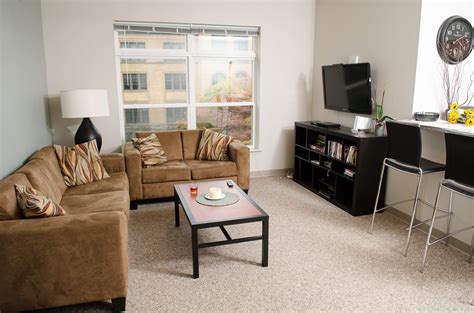
- Three apartment complexes offer private rooms and shared common areas.
- Fully furnished with kitchens, bathrooms, and living spaces.
- Located within walking distance of classes and amenities.
- Cost: $10,000-$15,000 per year
Greek Houses:
- WSU recognizes 26 fraternities and sororities, each with its own house.
- Provide a sense of community and social support.
- Offer a range of housing options, from shared rooms to private suites.
- Cost: Varies depending on the house and room type
Off-Campus Housing
For students seeking more independence, off-campus housing offers a wider selection of options, including:
Apartments:
- Available in various sizes and price ranges.
- Typically located near campus or in nearby neighborhoods.
- Offer amenities such as kitchens, laundry facilities, and parking.
- Cost: $800-$1,500 per month
Houses:
- Provide more space and privacy than apartments.
- Can be rented or purchased by groups of students or families.
- Often located in residential neighborhoods near campus.
- Cost: $1,200-$2,500 per month
Sublets:
- Temporary housing option for short-term stays or during breaks.
- Students can rent out their on-campus rooms or find sublets from other students.
- Cost: Varies depending on the location and duration of stay
Homeownership
For students planning to stay in Detroit long-term, homeownership may be a viable option. WSU has partnered with Wayne Homeownership Initiative Corp. (WHINC) to offer low-interest loans and down payment assistance programs.
Benefits of Homeownership:
- Build equity and invest in the community.
- Enjoy tax benefits and long-term savings on housing expenses.
- Have more control over living space and amenities.
Considerations for Homeownership:
- Requires a significant down payment and closing costs.
- Monthly mortgage payments can be a long-term financial commitment.
- Maintenance and repairs can be costly.
How to Choose the Right Housing Option
The best housing option for each student depends on individual needs and preferences. Consider the following factors:
- Budget: Determine the maximum amount you can afford to spend on housing.
- Lifestyle: Decide whether you prefer a social on-campus environment or more independence off-campus.
- Location: Choose a location that is convenient for classes, amenities, and transportation.
- Amenities: Consider the amenities that are important to you, such as air conditioning, laundry facilities, or parking.
- Roommates: If sharing a space, find roommates who are compatible and respectful.
Common Mistakes to Avoid
- Not researching options: Explore all available housing options before making a decision.
- Signing a lease without reading it carefully: Understand the terms of your housing contract.
- Not getting a roommate agreement in writing: Avoid conflicts by establishing clear expectations with roommates.
- Exceeding your budget: Ensure that your housing expenses do not compromise your financial well-being.
- Living in an unsafe or unhealthy environment: Prioritize your safety and health in choosing a housing option.
Step-by-Step Approach to Finding Housing
- Research options: Visit the WSU housing website, attend housing fairs, and consult with a housing advisor.
- Set a budget: Determine how much you can afford to spend on housing each month.
- Narrow down your choices: Decide which type of housing (on-campus, off-campus, homeownership) best suits your needs.
- Schedule viewings: Arrange to visit potential housing options in person.
- Sign a lease or purchase agreement: Once you have found a suitable option, review the terms carefully and sign an agreement.
- Move in: Prepare for your move and ensure a smooth transition into your new home.
Why Housing at Wayne State University Matters
Choosing the right housing option can significantly impact your university experience. Adequate housing provides:
- Convenience: Close proximity to classes, amenities, and transportation.
- Affordability: WSU offers a range of housing options to fit different budgets.
- Community: On-campus housing and Greek houses foster a sense of belonging and connection.
- Safety: WSU prioritizes student safety and provides secure housing options.
- Well-being: Comfortable and healthy living spaces promote mental and physical health.
Benefits of On-Campus Housing
- Convenience: Walk or bike to classes, dining halls, and amenities.
- Community: Live among fellow students and participate in campus activities.
- Amenities: Enjoy access to fitness centers, laundry facilities, and study spaces.
- Support: Housing staff provide assistance with roommate issues, repairs, and other concerns.
- Safety: On-campus housing is well-lit and patrolled for safety.
Benefits of Off-Campus Housing
- Independence: More freedom and flexibility in choosing a living space and lifestyle.
- Privacy: Enjoy your own bedroom or apartment without sharing common areas.
- Customization: Decorate and furnish your space to your liking.
- Location: Have more options for locations near campus or in nearby neighborhoods.
- Potential savings: Off-campus housing can be more affordable than on-campus options.
Tables for Housing Options
| Type of Housing | Average Cost | Amenities | Benefits | Drawbacks |
|---|---|---|---|---|
| On-Campus Dormitories | $8,000-$12,000 per year | Air conditioning, Wi-Fi, laundry facilities, dining halls | Convenience, community, support | Shared rooms, limited privacy |
| On-Campus Apartments | $10,000-$15,000 per year | Fully furnished, kitchens, bathrooms, living spaces | Privacy, independence, amenities | Higher cost than dorms |
| Off-Campus Apartments | $800-$1,500 per month | Kitchens, laundry facilities, parking | Independence, flexibility, location | Variable costs, less community |
| Off-Campus Houses | $1,200-$2,500 per month | More space, privacy, potential ownership | Independence, control | Higher costs, maintenance responsibilities |
| Neighborhood | Distance to Campus | Cost | Amenities | Lifestyle |
|---|---|---|---|---|
| Midtown | 1-2 miles | $1,200-$2,000 per month | Restaurants, bars, shops | Urban, vibrant |
| Cass Corridor | 2-4 miles | $800-$1,500 per month | Coffee shops, art galleries, music venues | Hip, eclectic |
| New Center | 3-5 miles | $1,000-$1,800 per month | Grocery stores, shopping centers, parks | Family-friendly, convenient |
| Palmer Woods | 4-6 miles | $1,500-$2,500 per month | Historic homes, tree-lined streets, community events | Prestigious, upscale |
| Homeownership | Estimated Down Payment | Closing Costs | Monthly Payment | Benefits |
|---|---|---|---|---|
| Single-Family Home | 3% ($12,000 on a $400,000 home) | $5,000-$10,000 | $2,000-$3,000 | Build equity, tax benefits, control |
| Condominium | 10% ($40,000 on a $400,000 condo) | $5,000-$10,000 | $1,500-$2,500 | Lower costs than single-family homes, shared amenities |
| Townhouse | 5% ($20,000 on a $400,000 townhouse) | $5,000-$10,000 | $1,800-$2,800 | More space than condos, private entrance |
| Co-Op | 10-20% ($40,000-$80,000 on a $400,000 co-op) | $5,000-$10,000 | $1,200-$2,000 | Shared ownership, lower costs |