Introduction

The attack on Pearl Harbor, a pivotal event in American history, indelibly altered the course of the 20th century. This tragic incident not only shattered the nation’s sense of isolationism but also propelled the United States into the throes of World War II. In this article, we will delve into the APUSH definition of Pearl Harbor, explore its historical context, and delve into the far-reaching consequences it had on the nation and the world.
APUSH Definition of Pearl Harbor
The APUSH (Advanced Placement United States History) definition of Pearl Harbor encompasses the surprise attack launched by the Imperial Japanese Navy on the American naval base at Pearl Harbor, Hawaii, on December 7, 1941. The assault, meticulously planned and executed, aimed to decimate the United States’ Pacific Fleet and cripple its ability to intervene in Japan’s aggressive expansion in East Asia.
Historical Context
In the years leading up to the attack, tensions between the United States and Japan had been escalating steadily. Japan’s insatiable thirst for resources and its imperial ambitions clashed with America’s growing economic and military presence in the Pacific. Despite diplomatic efforts, negotiations between the two nations proved futile, as Japan refused to withdraw from its conquests in China and Southeast Asia.
The Attack
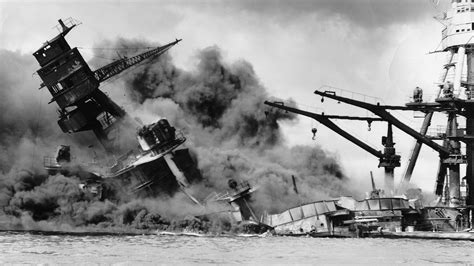
On the fateful morning of December 7, 1941, a fleet of over 350 Japanese fighter planes, bombers, and torpedo planes launched a surprise attack on Pearl Harbor. The assault, which lasted approximately two hours, targeted the Pacific Fleet anchorage, destroying or damaging eight battleships, three cruisers, three destroyers, and over 180 aircraft. The human toll was equally devastating, with over 2,400 Americans killed and over 1,100 wounded.
Consequences
The attack on Pearl Harbor had profound consequences for the United States and the world.
- Entry into World War II: The attack shattered the nation’s isolationist stance and precipitated its entry into World War II. Within hours of the assault, the United States declared war on Japan, and within days, Germany and Italy declared war on the United States.
- Unification of the Nation: The attack galvanized the American people and unified them in a common cause. The nation’s resolve to defeat its aggressors became unwavering.
- Military Buildup: The attack spurred an unprecedented military buildup in the United States. The nation’s industrial output soared, and millions of Americans joined the armed forces.
- Strategic Shift: The attack on Pearl Harbor forced the United States to reassess its military strategy. The nation recognized the importance of air power and naval dominance in modern warfare.
- Domestic Impact: The attack had a profound impact on American society. It led to the relocation of over 110,000 Japanese-Americans to internment camps, a shameful chapter in American history.
Historical Significance
The attack on Pearl Harbor remains a defining moment in American history for several reasons:
- Catalyst for World War II: The attack directly led the United States into World War II, a conflict that would reshape the global political and social landscape.
- End of Isolationism: The attack shattered the nation’s isolationist policies, forcing it to engage actively in international affairs.
- Technological Advancements: The attack demonstrated the devastating impact of new technologies in warfare, particularly air power.
- National Unity: The attack galvanized the American people and fostered a sense of national unity.
- Legacy of Trauma: The attack left a deep emotional scar on the nation, instilling a lasting fear of foreign aggression.
Conclusion
The attack on Pearl Harbor was a pivotal event in American history, irrevocably altering the nation’s destiny and the course of the 20th century. As we reflect on this tragic anniversary, it is imperative to remember the sacrifices made by those who fought and died that day. Their heroism and resilience continue to inspire us today. By understanding the APUSH definition of Pearl Harbor and its profound historical significance, we can better appreciate the challenges and triumphs that have shaped our nation.