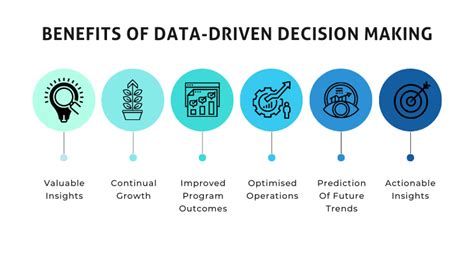
In the dynamic and data-driven business landscape, the ability to extract meaningful insights and make informed decisions based on data has become indispensable. The Business Analytics minor at Santa Clara University (SCU) equips students with the skills and knowledge necessary to master this critical domain.
Comprehensive Curriculum: Building a Solid Foundation
The Business Analytics minor comprises a comprehensive curriculum that combines foundational concepts in data analytics, statistical modeling, and business intelligence. Students delve into courses such as:
- Data Analytics for Business
- Statistical Methods for Business Analytics
- Big Data Analytics
- Data Mining and Predictive Modeling
These courses provide a strong base in data collection, manipulation, analysis, and interpretation, enabling students to effectively harness the power of data for business optimization.
Real-World Applications: Solving Critical Business Challenges
Beyond theoretical understanding, the minor emphasizes real-world applications. Students work on hands-on projects, case studies, and simulations that address pressing business challenges. They learn to:
- Identify and solve business problems using data-driven insights
- Develop and implement data-driven solutions
- Communicate findings effectively to stakeholders
Industry-Focused Electives: Tailoring Expertise
To cater to specific industry needs, the minor offers electives in specialized areas, including:
- Healthcare Analytics
- Marketing Analytics
- Supply Chain Analytics
- Financial Analytics
These electives allow students to tailor their learning experience to their career aspirations and industry interests.
Benefits of the Business Analytics Minor
The Business Analytics minor at SCU offers numerous benefits, including:
Enhanced Career Prospects: Graduates with a business analytics background are highly sought after in various industries, such as consulting, finance, healthcare, and technology.
Data-Driven Decision-Making: The minor provides students with the analytical skills to make informed decisions based on data, leading to improved business outcomes.
Increased Competitiveness: With organizations embracing data-driven practices, students with a business analytics minor stand out in the job market.
Innovative Thinking and Problem Solving: The minor fosters critical thinking and problem-solving abilities, enabling students to approach business challenges from a data-centric perspective.
Table 1: Growth in Business Analytics Jobs
| Year | Projected Job Growth |
|---|---|
| 2020 | 15% |
| 2025 | 26% |
| 2030 | 35% |
(Source: U.S. Bureau of Labor Statistics)
Engaging Students: Asking Questions, Fostering Engagement
To ensure student engagement and understanding, the minor’s faculty employ various strategies:
- Case Studies: Presenting real-life business scenarios that encourage students to apply their analytical skills.
- Interactive Discussions: Facilitating lively class discussions to explore different perspectives and deepen understanding.
- Hands-On Projects: Assigning projects that enable students to put their learning into practice and develop tangible solutions.
- Guest Speakers: Inviting industry professionals to share their experiences and provide insights into modern business analytics practices.
Strategies for Success in the Business Analytics Minor
To maximize their learning experience, students pursuing the Business Analytics minor are encouraged to:
- Develop a Strong Math Foundation: Establishing a solid foundation in mathematics and statistics is crucial for success in the minor.
- Become Proficient in Data Analysis Tools: Familiarizing oneself with industry-standard data analysis software, such as Python and R, is essential.
- Seek Hands-On Experience: Actively participating in projects, internships, or research opportunities provides practical experience and enhances employability.
- Network with Industry Professionals: Attending industry events and connecting with professionals in the field helps build connections and explore career opportunities.
Frequently Asked Questions (FAQs)
1. What are the prerequisites for the Business Analytics minor?
Students must have completed courses in Calculus, Statistics, and Business Calculus.
2. Can the minor be completed in conjunction with a different major?
Yes, the Business Analytics minor can be pursued concurrently with any major offered at SCU.
3. What career paths are available to graduates with a business analytics minor?
Graduates can pursue careers in data analytics, consulting, marketing, finance, and supply chain management.
4. How long does it take to complete the minor?
The minor typically requires approximately 18 credit hours of coursework, which can be completed within two to three semesters.
5. Is the minor available to non-business majors?
Yes, students from all academic disciplines are welcome to pursue the Business Analytics minor.
6. What is the cost of the minor?
The cost of the minor varies depending on the student’s tuition status.
7. Are scholarships available for the minor?
Yes, several scholarships are available for students pursuing the Business Analytics minor based on academic merit and financial need.
8. What is the “data-centric perspective” mentioned earlier?
The “data-centric perspective” refers to an approach to business that prioritizes the use of data to inform decision-making, solve problems, and create innovative solutions.