Understanding Cellular Respiration and NADH
Cellular respiration, the energy-producing powerhouse of cells, encompasses a series of biochemical reactions that convert chemical energy stored in glucose to adenosine triphosphate (ATP), the universal energy currency of cells. Nicotinamide adenine dinucleotide (NADH) serves as a key electron carrier in this process, playing a crucial role in energy generation. This article delves into the intricate process of cellular respiration, revealing the stage that produces the most NADH and highlighting its significance for cellular metabolism.

Glycolysis: The Prelude to NADH Production
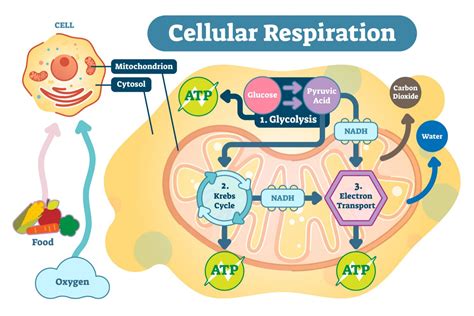
Glycolysis, the first stage of cellular respiration, occurs in the cytoplasm of cells and initiates the breakdown of glucose. This stage yields a modest amount of NADH (2 molecules per glucose molecule). However, its main contribution is to generate pyruvate, which enters the subsequent stage of respiration.
The Krebs Cycle: A NADH-Rich Labyrinth
The Krebs cycle, also known as the citric acid cycle, takes place in the mitochondrial matrix. Here, pyruvate undergoes a series of enzymatic reactions that result in the production of significant amounts of NADH. Each turn of the Krebs cycle generates 3 molecules of NADH, making it the primary source of NADH in cellular respiration.
Oxidative Phosphorylation: NADH’s Energy-Harnessing Destination
Oxidative phosphorylation, the final stage of cellular respiration, occurs in the inner mitochondrial membrane. NADH, produced in the Krebs cycle, plays a critical role in this stage. By transferring electrons to the electron transport chain, NADH drives the pumping of protons across the membrane, creating an electrochemical gradient. This gradient powers the synthesis of ATP through ATP synthase, the molecular engine of cellular energy production.
NADH: A Versatile Energy Carrier
NADH, in addition to its role in cellular respiration, participates in various other cellular processes. It acts as a reducing agent in biosynthetic reactions, facilitating the conversion of molecules from oxidized to reduced states. NADH also contributes to cellular defense mechanisms, particularly in the detoxification of reactive oxygen species (ROS), which can cause cellular damage.
Applications of NADH Research
The understanding of NADH production and its various roles has opened up avenues for innovative applications:
-
Novel Therapeutics: NADH-based therapies hold promise for treating conditions associated with NADH deficiency, such as mitochondrial disorders and neurodegenerative diseases.
-
Bioenergetic Enhancements: Optimizing NADH production could lead to strategies for improving energy levels and cellular vitality, particularly in the aging population.
-
Diagnostics and Monitoring: Measuring NADH levels can provide insights into cellular metabolism and health status, aiding in the diagnosis and monitoring of various diseases.
Conclusion
The Krebs cycle emerges as the stage of cellular respiration that produces the most NADH, contributing significantly to the overall energy generation process. Its role as a reducing agent and its involvement in cellular defense mechanisms highlight the multifaceted nature of NADH beyond its central function in energy metabolism. Research on NADH production holds immense potential for developing novel therapeutic approaches and enhancing cellular well-being.
Frequently Asked Questions (FAQs)
-
Q: Why is NADH production crucial for cells?
A: NADH serves as a vital electron carrier, enabling cells to generate energy and participate in various cellular processes. -
Q: Which stage of respiration contributes the least amount of NADH?
A: Glycolysis yields a relatively small amount of NADH (2 molecules per glucose molecule) compared to the Krebs cycle. -
Q: What factors can affect NADH production?
A: Genetic mutations, nutrient availability, and mitochondrial health can influence NADH production efficiency. -
Q: How can I increase my NADH levels?
A: Regular exercise, a balanced diet rich in antioxidants, and certain supplements (e.g., niacin and nicotinamide riboside) can support NADH production.
Glossary of Terms
- Glycolysis: The initial stage of cellular respiration that occurs in the cytoplasm.
- Krebs Cycle: A cyclic series of reactions that take place in the mitochondrial matrix and produce the majority of NADH.
- Oxidative Phosphorylation: The final stage of cellular respiration that utilizes NADH to drive ATP synthesis.
- Electron Transport Chain: A series of membrane-bound proteins that pass electrons from NADH to oxygen, creating an electrochemical gradient.
- ATP Synthase: A membrane-bound enzyme that harnesses the electrochemical gradient to synthesize ATP.
Tables
Table 1: NADH Production in Cellular Respiration
| Stage | NADH Yield per Glucose Molecule |
|---|---|
| Glycolysis | 2 |
| Krebs Cycle | 6 |
| Oxidative Phosphorylation | (Indirectly-via ATP Synthesis) |
Table 2: Roles of NADH
| Function | Description |
|---|---|
| Energy Generation | Electron carrier in oxidative phosphorylation |
| Biosynthesis | Reducing agent in reductive reactions |
| Cellular Defense | Detoxification of reactive oxygen species |
Table 3: Factors Affecting NADH Production
| Factor | Effect |
|---|---|
| Genetic Mutations | Can impair enzymes involved in NADH production |
| Nutrient Availability | Deficiency of certain nutrients (e.g., B vitamins) can reduce NADH synthesis |
| Mitochondrial Health | Mitochondrial dysfunction can compromise NADH production efficiency |
Table 4: Applications of NADH Research
| Application | Potential Benefits |
|---|---|
| Novel Therapeutics | Treating mitochondrial disorders, neurodegenerative diseases |
| Bioenergetic Enhancements | Improving energy levels, cellular vitality |
| Diagnostics and Monitoring | Assessing cellular metabolism, disease diagnosis and monitoring |