Understanding the Importance of Military and Family Readiness
Military readiness encompasses the ability of service members to execute missions effectively, while family readiness focuses on the well-being and support system that enables them to do so. Together, military and family readiness create a vital foundation for a thriving military force.
According to the Department of Defense, military readiness ensures that “the United States Armed Forces have the capabilities, training, and resources necessary to defend the nation from all threats, deter aggression, and win wars.” Family readiness, on the other hand, “provides service members with the support and services they need to maintain their focus on their mission and be successful in their careers.”
The Role of Holly Fisher in Enhancing Military and Family Readiness at Keesler AFB
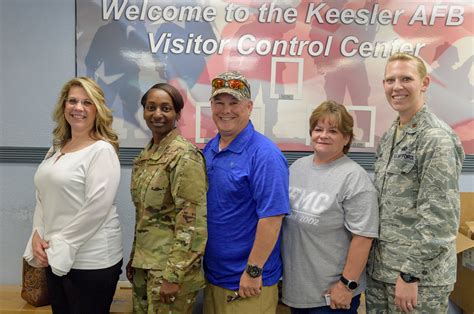
Holly Fisher, the Military and Family Readiness Program Manager at Keesler Air Force Base (AFB), has dedicated her career to empowering service members and their families. With a deep understanding of the challenges faced by military families, Fisher spearheads initiatives that provide them with the resources and support they need to thrive.
Under Fisher’s leadership, Keesler AFB has implemented innovative programs and services that have significantly improved the quality of life for military families. These include:
- Expanded Childcare Options: Fisher worked diligently to increase childcare capacity by partnering with Child and Youth Services to provide additional hours of operation and open new facilities.
- Enhanced Education Support: She established a partnership with the Keesler Family Center and Mississippi Gulf Coast Community College to offer affordable childcare and education options for military spouses.
- Improved Housing Assistance: Fisher spearheaded a collaboration with the housing office to streamline the housing application process, making it easier for families to find suitable housing on base.
- Comprehensive Mental Health Services: She expanded mental health services for military families, providing them with access to counseling, support groups, and crisis intervention programs.
The Impact of Military and Family Readiness on Service Member Performance
Research conducted by the RAND Corporation found that “military families are essential to the success of the military.” When service members and their families are supported, they experience higher levels of morale, better job performance, and reduced attrition rates.
A study by the Department of Defense also revealed that family readiness is directly linked to military readiness. Service members with strong family support are more likely to be mission-ready, deployable, and effective in carrying out their duties.
Measuring the Success of Military and Family Readiness Programs
The success of military and family readiness programs can be measured through various metrics, including:
- Mission Completion Rates: Service members who receive adequate support from their families are better equipped to accomplish their missions effectively.
- Deployment Readiness: Families that are prepared for deployments provide service members with a stable home base, allowing them to focus on their mission.
- Family Well-Being: The availability of childcare, education, housing, and mental health services enhances the well-being of military families, reducing stress and improving overall morale.
- Retention Rates: Service members who feel supported by their families are more likely to remain in the military, contributing to a stable and experienced force.
Key Initiatives Under Holly Fisher’s Leadership
Beyond the aforementioned programs and services, Fisher has also implemented several key initiatives to enhance military and family readiness at Keesler AFB. These include:
- Military Child Education Coalition (MCEC): This program connects military families with educators and school administrators to ensure a positive and enriching educational experience for military children.
- Military and Family Life Counselor (MFLC) Program: MFLCs provide confidential counseling, education, and support to military service members and their families, empowering them to cope with the challenges of military life.
- Exceptional Family Member Program (EFMP): This program supports families with special needs dependents, providing them with access to medical care, respite services, and other resources.
- Military OneSource: This comprehensive online and telephone-based resource center offers service members and their families a wide range of information, services, and support.
Conclusion
Holly Fisher’s unwavering commitment to military and family readiness has transformed Keesler AFB into a thriving community where service members and their families can excel both professionally and personally. Her innovative programs and services have made a lasting impact, empowering military families and creating a foundation for a successful and resilient military force.
As the needs of military families evolve, Fisher will continue to seek out and implement innovative solutions that strengthen their well-being and contribute to the overall readiness of the nation’s military.
Additional Tables
Table 1: Benefits of Military and Family Readiness
| Benefit | Description |
|---|---|
| Improved Mission Completion | Service members with strong family support are better able to focus on their missions. |
| Enhanced Deployment Readiness | Prepared families provide service members with a stable home base during deployments. |
| Increased Family Well-Being | Access to services and support improves the quality of life for military families. |
| Reduced Attrition Rates | Service members who feel supported by their families are more likely to stay in the military. |
Table 2: Metrics for Measuring Military and Family Readiness Success
| Metric | Description |
|---|---|
| Mission Completion Rates | The percentage of missions completed successfully by service members with family support. |
| Deployment Readiness | The percentage of service members who are prepared for deployments and have access to family support. |
| Family Well-Being | The quality of life for military families, as measured by access to childcare, education, housing, and mental health services. |
| Retention Rates | The percentage of service members who remain in the military after receiving family support. |
Table 3: Key Initiatives Implemented by Holly Fisher
| Initiative | Description |
|---|---|
| Military Child Education Coalition (MCEC) | Connects military families with educators and administrators to enhance educational experiences for military children. |
| Military and Family Life Counselor (MFLC) Program | Provides confidential counseling and support to military service members and their families. |
| Exceptional Family Member Program (EFMP) | Supports families with special needs dependents, providing access to medical care and other resources. |
| Military OneSource | Offers comprehensive information, services, and support to military families online and by telephone. |
Table 4: Resources for Military Families
| Resource | Description | Link |
|---|---|---|
| Military and Family Support Center | Provides a wide range of services and support to military families, including childcare, employment assistance, and counseling. | Website |
| Military Child Education Coalition | Supports the educational success of military children by connecting families with educators and administrators. | Website |
| Military and Family Life Counselor (MFLC) Program | Offers confidential counseling and support to military service members and their families. | Website |
| Exceptional Family Member Program (EFMP) | Supports families with special needs dependents, providing access to medical care, respite services, and other resources. | Website |