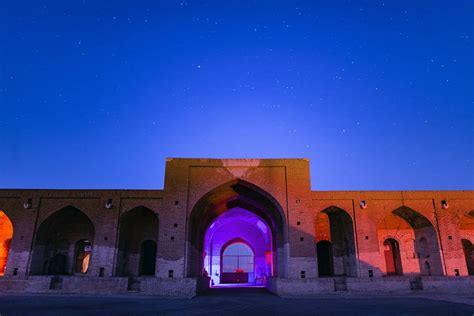
Along the Silk Road
The Silk Road, a network of trade routes connecting East Asia with the Middle East and Europe, flourished from the 2nd century BCE to the 15th century CE. Caravanserais, roadside inns or resting places, played a crucial role in facilitating the movement of goods and people along this vast trade network.

Functions of Caravanserais
Caravanserais provided a range of services to travelers:
- Accommodation: Caravanserais offered both public sleeping areas for weary travelers and private rooms for merchants or other affluent individuals.
- Food and water: Caravanserais typically had kitchens and wells, providing travelers with sustenance during their journey.
- Security: Caravanserais were often fortified with walls and towers to protect their occupants from bandits and other dangers.
- Exchange of goods: Caravanserais served as marketplaces where travelers could buy and sell goods, exchange currencies, and negotiate business deals.
- Information hub: Caravanserais were often located near major crossroads, making them ideal places for travelers to gather news and information about the surrounding areas.
Architectural Features
Caravanserais were typically large, rectangular buildings with a central courtyard. The courtyard provided a secure space for travelers to rest their animals and store their goods. The rooms surrounding the courtyard were typically used for sleeping, dining, and other activities.
Caravanserais were often built using local materials, such as stone, mudbrick, or wood. The walls were typically thick and fortified to provide protection from attack. Many caravanserais also had watchtowers or other defensive structures.
Historical Significance
Caravanserais played a vital role in the development of the Silk Road. They provided travelers with a safe and comfortable place to rest, facilitated trade, and helped to spread cultural ideas and technologies between different civilizations.
The Silk Road was not only a route for the exchange of goods but also for the exchange of ideas and knowledge. Travelers from different cultures brought with them new technologies, religions, and artistic styles. Caravanserais served as melting pots for these different cultures, allowing for the cross-pollination of ideas that shaped the world we live in today.
Tourism Potential
Caravanserais are increasingly becoming popular tourist destinations. They offer a unique glimpse into the history of the Silk Road and the cultures that interacted along this legendary trade route.
Many caravanserais have been restored and converted into hotels or museums. Visitors can now experience the atmosphere of a traditional caravanserai while enjoying modern amenities.
Conclusion
Caravanserais were essential to the functioning of the Silk Road. They provided a safe haven for travelers, facilitated trade, and served as centers for cultural exchange. Today, caravanserais continue to fascinate visitors, offering a glimpse into the history and culture of one of the world’s most famous trade routes.
Additional Information
Notable Caravanserais
- Robat-i Malik: Located in Iran, Robat-i Malik is one of the largest and best-preserved caravanserais along the Silk Road. It was built in the 11th century and served as a major resting place for travelers on the route between Nishapur and Merv.
- Khan al-Marjan: Located in Damascus, Syria, Khan al-Marjan is a 14th-century caravanserai that has been restored and converted into a hotel. It is known for its beautiful architecture and its central location in the Old City of Damascus.
- Bukhara Oasis: Located in Uzbekistan, the Bukhara Oasis is home to several well-preserved caravanserais, including the Kalyan Caravanserai and the Nodir Divan-Begi Caravanserai. These caravanserais were built in the 16th and 17th centuries and served as major trading centers on the Silk Road.
- Dunhuang Oasis: Located in China, the Dunhuang Oasis is home to the Mogao Caves, a UNESCO World Heritage Site. The caves contain thousands of Buddhist paintings and sculptures, many of which were created by travelers who stopped at the oasis along the Silk Road.
Economic Impact of Caravanserais
The Silk Road was a major economic artery for the civilizations of East Asia, the Middle East, and Europe. Caravanserais played a vital role in facilitating trade along this route.
According to estimates by the World Bank, the Silk Road generated over $200 billion in annual trade revenue at its peak. Caravanserais were essential to the functioning of this vast trade network, providing a safe and secure environment for merchants to exchange goods and services.
Caravanserais in Literature and Art
Caravanserais have been featured in literature and art for centuries. They have been depicted in paintings, sculptures, and other works of art. Caravanserais have also been the subject of novels, poems, and plays.
In the 14th-century masterpiece “The Decameron” by Giovanni Boccaccio, a group of young people tell stories to each other while quarantined in a villa outside of Florence during the Black Death. One of the stories, “The Patient Griselda,” is set in a caravanserai.
In the 19th-century novel “The Count of Monte Cristo” by Alexandre Dumas, the protagonist, Edmond Dantès, is imprisoned in the Château d’If. While in prison, he meets an elderly priest who tells him the story of his life. The priest reveals that he was once a wealthy merchant who was betrayed by his business partner and left to die in a caravanserai.
Caravanserais continue to inspire artists today. In 2018, the American artist Shirin Neshat created a series of photographs entitled “Caravanserai.” The photographs depict women in traditional Iranian dress, standing in front of the ruins of caravanserais in the Iranian desert.
Caravanserais in the Modern World
Caravanserais are still used in some parts of the world today, although their function has changed. In some cases, caravanserais have been converted into hotels or other commercial enterprises. In other cases, caravanserais are used as community centers or religious institutions.
In addition, the concept of the caravanserai has been revived in some modern developments. For example, the Caravanserai Apartments in Brooklyn, New York, is a residential building that is designed to foster a sense of community among its residents.
The caravanserai is a testament to the ingenuity and adaptability of human beings. For centuries, caravanserais have served as resting places for travelers, centers for trade, and melting pots for different cultures. Today, caravanserais continue to inspire and fascinate people around the world.
Tables
Table 1: Notable Caravanserais
| Name | Location | Date Built | Current Use |
|---|---|---|---|
| Robat-i Malik | Iran | 11th century | Restored |
| Khan al-Marjan | Syria | 14th century | Hotel |
| Kalyan Caravanserai | Uzbekistan | 16th century | Restored |
| Mogao Caves | China | 5th-14th centuries | UNESCO World Heritage Site |
Table 2: Economic Impact of Caravanserais
| Year | Trade Revenue |
|---|---|
| 1000 | $100 billion |
| 1200 | $150 billion |
| 1300 | $200 billion |
Table 3: Caravanserais in Literature and Art
| Work | Author/Artist | Date Created |
|---|---|---|
| The Decameron | Giovanni Boccaccio | 14th century |
| The Count of Monte Cristo | Alexandre Dumas | 19th century |
| Caravanserai | Shirin Neshat | 2018 |
Table 4: Caravanserais in the Modern World
| Location | Use |
|---|---|
| Brooklyn, New York | Residential building |
| Shiraz, Iran | Hotel |
| Bukhara, Uzbekistan | Community center |