Introduction

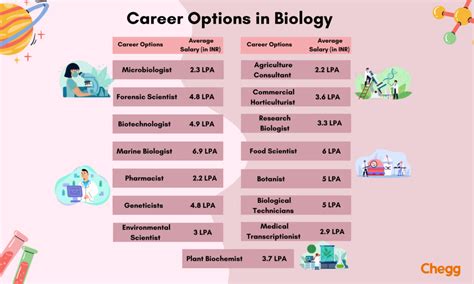
A biology degree offers a solid foundation in the study of life and living organisms. With the increasing importance of biotechnology, healthcare, and environmental sciences, there is a growing demand for professionals with a biology background. If you are pursuing or have obtained a biology degree, you may wonder about potential career paths within reach. This comprehensive guide will provide an overview of various jobs available near you, highlighting their responsibilities, qualifications, and career prospects.
Top Industries for Jobs with Biology Degree
- Biotechnology: Focuses on developing and using biological systems to create products and services, such as medicines, vaccines, and biofuels.
- Healthcare: Includes positions in hospitals, clinics, and research laboratories related to patient care, diagnosis, and treatment.
- Environmental Sciences: Covers roles in environmental protection, conservation, and sustainable development.
- Education: Includes teaching positions in schools, colleges, and universities.
- Government Agencies: Involved in regulating and researching biological systems for public health and safety.
Job Titles and Responsibilities
1. Research Scientist
* Conducts experiments and analyzes data to advance understanding of biological processes.
* Develops and tests new products or therapies.
* Publishes findings in scientific journals.
2. Laboratory Technician
* Prepares and analyzes samples for testing.
* Operates and maintains laboratory equipment.
* Assists research scientists with experiments.
3. Medical Technologist
* Performs laboratory tests on patient samples to diagnose diseases and monitor treatments.
* Operates and maintains laboratory equipment.
* Ensures accurate and timely results.
4. Environmental Scientist
* Monitors and assesses environmental conditions.
* Develops and implements plans to protect and restore ecosystems.
* Conducts research on environmental impacts.
5. Science Teacher
* Teaches biology concepts to students in schools or colleges.
* Develops and implements curriculum.
* Grades assignments and assess student progress.
Qualifications and Career Prospects
Educational requirements for jobs with biology degree vary depending on the position. While some roles require only a bachelor’s degree, others may necessitate a master’s or doctoral degree. Additional certifications or licenses may also be required for specific fields.
Career prospects for biology graduates are promising. According to the U.S. Bureau of Labor Statistics, employment in biological science occupations is projected to grow 8% over the next decade, faster than the average for all occupations. Median annual salaries for biological scientists in May 2021 were $93,900.
Tips for Finding Jobs with Biology Degree Near Me
- Network: Attend industry events, connect with alumni, and reach out to professionals in your field of interest.
- Utilize Online Resources: Explore job boards such as LinkedIn, Indeed, and Glassdoor for current job openings.
- Contact Local Universities: Universities often have career services offices that can assist with job search and networking.
- Consider Contract or Temporary Positions: These can provide valuable experience and lead to permanent employment.
- Be Patient and Persistent: Job hunting can take time. Stay motivated and continue applying for positions that align with your skills and interests.
Common Mistakes to Avoid
- Not tailoring your resume and cover letter to specific job openings.
- Not researching potential employers before applying.
- Overstating your skills and experience.
- Applying for jobs that are not a good fit for your qualifications.
- Giving up too easily.
Why Jobs with Biology Degree Matter
Jobs with biology degree play a vital role in advancing scientific knowledge, improving healthcare, and protecting the environment. They offer opportunities to make a tangible impact on the world and contribute to the well-being of society.
Benefits of Working with Biology Degree
- Rewarding Work: Conducting groundbreaking research, diagnosing diseases, and conserving ecosystems can be incredibly fulfilling.
- Growth Potential: Biology is a rapidly evolving field, providing ample opportunities for professional development and advancement.
- Job Security: Biological science occupations are in high demand and projected to continue growing in the future.
- Competitive Salaries: Biological scientists earn competitive salaries, commensurate with their education and experience.
- Intellectual Stimulation: Jobs in biology offer constant exposure to new ideas and challenges, keeping you engaged and intellectually stimulated.
In addition to the traditional career paths mentioned above, biology can also be harnessed for innovative applications that create new opportunities. Here are some examples:
- Biomimicry: Designing products and systems inspired by biological structures and processes.
- Synthetic Biology: Engineering biological systems to create new materials and functionalities.
- Bioinformatics: Using computational tools to analyze and interpret biological data.
- Personalized Medicine: Tailoring medical treatments to individual genetic profiles.
These emerging fields offer exciting possibilities for jobs with biology degree, blurring the lines between biology, technology, and medicine.
Table 1: Top Employers for Biology Graduates
| Company | Industry |
|---|---|
| Genentech | Biotechnology |
| Pfizer | Healthcare |
| Environmental Protection Agency | Environmental Sciences |
| National Institutes of Health | Research |
| California Department of Fish and Wildlife | Government Agency |
Table 2: Average Salaries for Jobs with Biology Degree (May 2021)
| Occupation | Median Annual Salary |
|---|---|
| Research Scientist | $93,900 |
| Laboratory Technician | $58,290 |
| Medical Technologist | $60,380 |
| Environmental Scientist | $76,530 |
| Science Teacher (High School) | $61,710 |
Table 3: Educational Requirements for Jobs with Biology Degree
| Occupation | Minimum Education |
|---|---|
| Research Scientist | Master’s or Doctoral Degree |
| Laboratory Technician | Bachelor’s or Associate’s Degree |
| Medical Technologist | Bachelor’s Degree |
| Environmental Scientist | Bachelor’s or Master’s Degree |
| Science Teacher | Bachelor’s Degree |
Table 4: Career Advancement Opportunities
| Occupation | Potential Advancement |
|---|---|
| Research Scientist | Lead Scientist, Principal Investigator |
| Laboratory Technician | Supervisor, Quality Control Manager |
| Medical Technologist | Clinical Laboratory Supervisor, Pathologist Assistant |
| Environmental Scientist | Environmental Manager, Policy Analyst |
| Science Teacher | Department Head, Curriculum Developer |
Conclusion
A biology degree offers a versatile foundation for a wide range of rewarding career paths. Whether you are interested in research, healthcare, environmental protection, or education, there are countless opportunities available near you. By staying informed about industry trends, networking effectively, and tailoring your applications, you can increase your chances of success in finding a job that aligns with your skills, interests, and aspirations. As biology continues to evolve, so too will the job market, presenting exciting new possibilities for graduates.