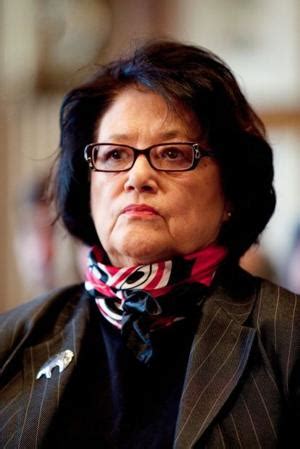
Elouise Cobell, a Blackfeet elder and Native American activist, dedicated her life to fighting for the rights of her people. Her tireless efforts led to the historic Cobell v. Salazar settlement, which provided a modest measure of justice for Native Americans who had been wronged by the federal government’s mismanagement of their trust funds.

The Cobell Case
In 1996, Cobell and eleven other Native American individuals filed a class-action lawsuit against the U.S. Department of the Interior, alleging that the government had mismanaged their Individual Indian Money (IIM) accounts. These accounts, established by the U.S. government to hold the proceeds from the sale of Native American lands, were supposed to be used for the benefit of individual Native Americans. However, the government had failed to properly account for the funds, leading to billions of dollars in losses.
Cobell’s Life and Activism
Elouise Cobell was born in 1945 on the Blackfeet Indian Reservation in Montana. She became involved in Native American activism in the 1980s, when she served as co-chair of the Blackfeet Tribal Business Council. She played a key role in the tribe’s successful efforts to gain control of its coal resources, which generated significant revenue for the tribe.
In 1996, Cobell joined forces with other Native American leaders to file the Cobell v. Salazar lawsuit. She served as the lead plaintiff in the case, which dragged on for years as the government resisted the plaintiffs’ claims.
The Cobell Settlement
In 2009, the Cobell v. Salazar lawsuit was finally settled for $3.4 billion. The settlement provided a modest measure of justice for Native Americans who had been harmed by the government’s mismanagement of their trust funds.
The settlement included the following provisions:
- $1.9 billion in direct payments to individual Native Americans who had been denied access to their trust funds.
- $2 billion to fund economic development and education programs for Native American tribes and communities.
- $100 million to improve the management of Native American trust funds.
The Cobell settlement was a major victory for Native Americans. It was the largest class-action settlement in U.S. history and the first time the government had acknowledged its responsibility for mismanaging Native American trust funds.
The Legacy of Elouise Cobell
Elouise Cobell passed away in 2011, but her legacy continues to live on. She was a tireless advocate for Native American rights and justice, and her work helped to improve the lives of countless Native Americans.
Cobell’s story is a reminder of the importance of fighting for what is right, even when the odds seem stacked against you. She never gave up on her belief that Native Americans deserved justice, and her persistence ultimately led to a historic victory for her people.
The Impact of the Cobell Settlement
The Cobell settlement has had a significant impact on the lives of Native Americans. The direct payments to individual Native Americans have helped to reduce poverty and improve living conditions on reservations. The economic development programs have funded a wide range of projects, including job training, education, and infrastructure improvements. And the improved management of Native American trust funds has helped to ensure that future generations will benefit from these valuable resources.
Conclusion
Elouise Cobell was a true hero for the Native American people. Her tireless work led to a historic settlement that provided a small measure of justice for Native Americans who had been wronged by the federal government. Cobell’s legacy will continue to inspire Native Americans and all who believe in fighting for what is right.