Moving into a dorm room marks a significant milestone in a student’s life. It’s a transition from the familiarity of home to a new environment that requires careful planning and organization. One of the most important factors to consider is the dimensions of your dorm room, as it will determine how you can optimize the space and make it work for you.

Standard Dorm Room Dimensions
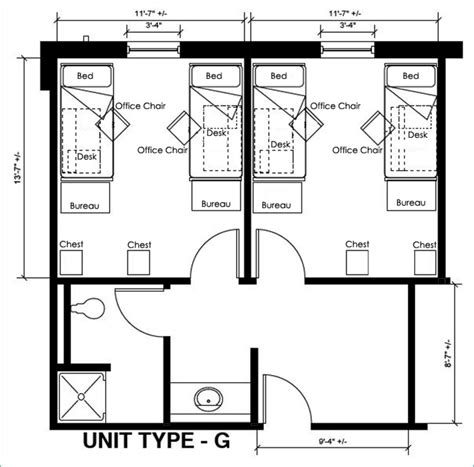
The standard dimensions of a dorm room vary widely depending on the university and type of housing. However, most dorm rooms are designed to accommodate two students, and the average size ranges from 120 to 200 square feet.
- Length: Typically between 10 and 15 feet
- Width: Typically between 12 and 15 feet
- Height: Typically between 8 and 10 feet
Layout and Furniture
The layout of a dorm room is typically determined by the shape and dimensions of the space. Most dorm rooms have a rectangular shape, with a common area shared by both roommates and separate sleeping areas.
The basic furniture provided in most dorm rooms includes:
- Two twin beds (usually raised to create additional storage space)
- Two desks
- Two dressers or wardrobes
- A small refrigerator
- A microwave
Space Optimization and Storage Strategies
Vertical Space Utilization:
Maximize vertical space by using shelves, wall-mounted organizers, and under-bed storage containers to minimize clutter and create more floor space.
Multifunctional Furniture:
Invest in furniture that serves multiple purposes, such as a bed with built-in drawers or a desk with shelves. This can save space and keep your belongings organized.
Declutter Regularly:
Regularly declutter your dorm room to avoid unnecessary items accumulating. Donate or discard anything you don’t use.
Hang Hooks and Over-the-Door Organizers:
Hang hooks on walls and use over-the-door organizers to store small items like keys, bags, and toiletries.
Planning for Two
In a double occupancy dorm room, it’s crucial to communicate with your roommate and establish clear expectations for space utilization. Create a shared storage plan, designate specific areas for personal belongings, and be respectful of each other’s belongings and privacy.
Comfort and Personalization
Natural Light:
Take advantage of natural light by positioning your desk near a window to create a brighter and more inviting atmosphere.
Hang Artwork and Decorations:
Personalize your dorm room by hanging artwork, posters, or photographs that reflect your interests and style.
Add Plants:
Adding plants to your dorm room can improve air quality and create a sense of tranquility.
Create a Designated Cozy Spot:
Designate a corner or area of your dorm room for relaxation, such as a reading nook or a comfortable sitting area.
Tables
Table 1: Standard Dorm Room Dimensions
| Dimension | Range |
|---|---|
| Length | 10-15 feet |
| Width | 12-15 feet |
| Height | 8-10 feet |
| Square Feet | 120-200 |
Table 2: Space Optimization Strategies
| Strategy | Description |
|---|---|
| Vertical Space Utilization | Utilize shelves, wall-mounted organizers, and under-bed storage. |
| Multifunctional Furniture | Invest in furniture that serves multiple purposes, such as beds with built-in drawers. |
| Declutter Regularly | Remove unnecessary items to minimize clutter. |
| Hang Hooks and Over-the-Door Organizers | Store small items on walls and over-the-door organizers. |
Table 3: Comfort and Personalization
| Aspect | Tips |
|---|---|
| Natural Light | Position your desk near a window. |
| Artwork and Decorations | Personalize your dorm room with artwork that reflects your interests. |
| Plants | Add plants to improve air quality and create a sense of tranquility. |
| Cozy Spot | Create a designated area for relaxation. |
Table 4: Planning for Two
| Strategy | Goal |
|---|---|
| Communication | Establish clear expectations for space utilization. |
| Shared Storage Plan | Create a plan for storing shared items. |
| Designated Personal Areas | Define specific areas for personal belongings. |