Sports medicine is a growing field that offers a variety of career opportunities. According to the Bureau of Labor Statistics, the employment of athletic trainers is projected to grow 23% from 2019 to 2029, much faster than the average for all occupations. This growth is expected to be driven by the increasing popularity of sports and fitness, as well as the aging population.

If you are interested in a career in sports medicine, it is important to choose a school that will provide you with the best possible education. There are a number of factors to consider when choosing a school, including:
- Accreditation: Make sure the school is accredited by the Commission on Accreditation of Athletic Training Education (CAATE). This accreditation ensures that the school meets the highest standards of education and training.
- Faculty: The faculty should be experienced and knowledgeable in the field of sports medicine. They should be able to provide you with the support and guidance you need to succeed.
- Curriculum: The curriculum should be comprehensive and up-to-date. It should cover all aspects of sports medicine, including injury prevention, assessment, treatment, and rehabilitation.
- Clinical experience: The school should provide you with opportunities to gain clinical experience. This experience will help you to develop the skills you need to be a successful athletic trainer.
- Career services: The school should have a strong career services department that can help you to find a job after graduation.
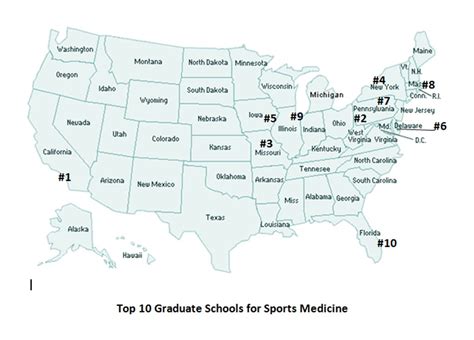
Here are some of the best schools for sports medicine:
| School | Location | CAATE Accreditation |
|---|---|---|
| University of North Carolina at Chapel Hill | Chapel Hill, NC | Yes |
| Ohio State University | Columbus, OH | Yes |
| University of Michigan | Ann Arbor, MI | Yes |
| University of Georgia | Athens, GA | Yes |
| University of Pittsburgh | Pittsburgh, PA | Yes |
Why Sports Medicine Matters
Sports medicine is important for a number of reasons. First, it helps to prevent injuries. Athletic trainers can teach athletes how to properly warm up, stretch, and condition their bodies. They can also help athletes to identify and avoid potential hazards.
Second, sports medicine can help to treat injuries. Athletic trainers can provide first aid and emergency care for injuries. They can also develop and implement rehabilitation programs to help athletes recover from injuries.
Third, sports medicine can help to improve performance. Athletic trainers can work with athletes to develop training programs that will help them to improve their strength, speed, and agility. They can also provide athletes with nutritional counseling and other support services to help them reach their full potential.
Benefits of Studying Sports Medicine
There are many benefits to studying sports medicine. Some of the benefits include:
- Job opportunities: Sports medicine is a growing field that offers a variety of career opportunities. Athletic trainers can work in a variety of settings, including schools, hospitals, clinics, and professional sports teams.
- High earning potential: Athletic trainers earn a good salary. According to the Bureau of Labor Statistics, the median annual salary for athletic trainers was $56,450 in May 2019.
- Job satisfaction: Athletic trainers report high levels of job satisfaction. They enjoy working with athletes and helping them to improve their health and performance.
- Making a difference: Athletic trainers make a difference in the lives of athletes. They help athletes to stay healthy, prevent injuries, and reach their full potential.
Pain Points of Studying Sports Medicine
There are some pain points associated with studying sports medicine. Some of the pain points include:
- Time commitment: Studying sports medicine requires a significant time commitment. Students must complete a bachelor’s degree in sports medicine or a related field, followed by a two-year clinical residency program.
- Cost: The cost of studying sports medicine can be high. Tuition and fees for a bachelor’s degree program in sports medicine can range from $20,000 to $60,000 per year. The cost of a two-year clinical residency program can range from $20,000 to $40,000 per year.
- Competition: There is a lot of competition for jobs in sports medicine. Students must have a strong academic record and clinical experience in order to be competitive for jobs.
Motivations for Studying Sports Medicine
There are many motivations for studying sports medicine. Some of the motivations include:
- Passion for sports: Many people who study sports medicine have a passion for sports. They enjoy working with athletes and helping them to improve their health and performance.
- Desire to make a difference: Athletic trainers make a difference in the lives of athletes. They help athletes to stay healthy, prevent injuries, and reach their full potential.
- Job security: Sports medicine is a growing field that offers job security. Athletic trainers are in high demand, and there is a low unemployment rate for this profession.
- Financial rewards: Athletic trainers earn a good salary. The median annual salary for athletic trainers was $56,450 in May 2019.
FAQs
What are the best schools for sports medicine?
The best schools for sports medicine are those that are accredited by the Commission on Accreditation of Athletic Training Education (CAATE). Some of the best schools for sports medicine include the University of North Carolina at Chapel Hill, Ohio State University, the University of Michigan, the University of Georgia, and the University of Pittsburgh.
What are the career opportunities for sports medicine professionals?
Sports medicine professionals can work in a variety of settings, including schools, hospitals, clinics, and professional sports teams. Some of the job titles for sports medicine professionals include athletic trainer, physical therapist, and strength and conditioning coach.
What is the salary potential for sports medicine professionals?
The salary potential for sports medicine professionals varies depending on their experience and level of education. According to the Bureau of Labor Statistics, the median annual salary for athletic trainers was $56,450 in May 2019.
What are the benefits of studying sports medicine?
There are many benefits to studying sports medicine, including job opportunities, high earning potential, job satisfaction, and the opportunity to make a difference in the lives of athletes.
What are the pain points of studying sports medicine?
Some of the pain points of studying sports medicine include the time commitment, the cost, and the competition for jobs.
What are the motivations for studying sports medicine?
Some of the motivations for studying sports medicine include a passion for sports, the desire to make a difference, job security, and financial rewards.