
Introduction
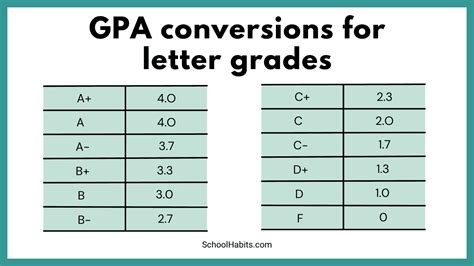
The University of Texas Core Curriculum is a comprehensive set of academic requirements that undergraduate students at the University of Texas at Austin must complete to graduate. Established in 1937, the Core Curriculum has undergone several revisions over the years to remain relevant to the evolving educational needs of students and the demands of the modern workforce.
Why the Core Curriculum Matters
- Broadens Perspectives: The Core Curriculum exposes students to a wide range of disciplines, allowing them to develop a well-rounded education and understand the interconnectedness of various fields of knowledge.
- Critical Thinking and Problem Solving: The Core Curriculum emphasizes critical thinking skills, problem-solving abilities, and quantitative reasoning, which are essential for success in any career or field of study.
- Communication and Creativity: Students develop effective communication and creative expression through the Core Curriculum’s writing, speaking, and arts requirements.
Benefits of the Core Curriculum
- Increased Success in Graduate School: Studies have shown that students who complete the Core Curriculum have higher acceptance rates to graduate school and perform better in their graduate studies.
- Enhanced Career Opportunities: The broad-based knowledge and skills gained through the Core Curriculum make graduates more competitive in the job market and open up a wider range of career options.
- Increased Civic Engagement: The Core Curriculum fosters an understanding of history, culture, and government, which prepares students to be informed and engaged citizens.
Structure of the Core Curriculum
The Core Curriculum consists of 36-39 hours of coursework distributed across six core components:
- Communication (6 hours)
- Mathematics (3 hours)
- Natural Sciences (6-7 hours)
- Social Sciences (6 hours)
- American History (6 hours)
- Government (6 hours)
- Culture and Creativity (3 hours)
Table 1: Core Curriculum Requirements by Component
| Component | Hours |
|---|---|
| Communication | 6 |
| Mathematics | 3 |
| Natural Sciences | 6-7 |
| Social Sciences | 6 |
| American History | 6 |
| Government | 6 |
| Culture and Creativity | 3 |
Table 2: Example Courses in the Core Curriculum
| Component | Course Example |
|---|---|
| Communication | English Composition I & II |
| Mathematics | Pre-Calculus |
| Natural Sciences | Biology |
| Social Sciences | US History I & II |
| American History | American History to 1877 |
| Government | American Government & Politics |
| Culture and Creativity | Introduction to Art History |
Pain Points and Motivations
- Lack of Flexibility: Some students may find the Core Curriculum to be inflexible, particularly if they have specific interests or career goals that require specialized coursework.
- Heavy Workload: The Core Curriculum’s requirements can add a significant workload to students’ schedules, especially during the first two years of study.
- Motivational Challenges: Students may not always be intrinsically motivated to take Core Curriculum courses that they do not see as immediately relevant to their major or career aspirations.
Possible Solutions and Innovations
- Introduce more flexibility: Explore options to provide students with more elective hours within the Core Curriculum to tailor their coursework to their interests and goals.
- Gamify the Curriculum: Incorporate interactive elements, challenges, and rewards into Core Curriculum courses to increase student engagement and motivation.
- Offer interdisciplinary courses: Create courses that bridge disciplines and demonstrate the interconnectedness of knowledge, making the Core Curriculum more relevant to students’ lives and future careers.
Implementation Challenges
- Resource Allocation: Implementing any significant changes to the Core Curriculum would require additional resources and support, such as faculty development and new course offerings.
- Stakeholder Approval: Gaining approval for changes to the Core Curriculum requires collaboration with faculty, staff, and administrators to ensure alignment with the university’s educational mission and goals.
- Data Collection and Analysis: Regular data collection and analysis are essential to evaluate the effectiveness of the Core Curriculum and monitor changes in student outcomes.
FAQs
-
Why is the Core Curriculum mandatory?
The Core Curriculum is mandatory to ensure that all undergraduate students at the University of Texas at Austin receive a broad and well-rounded education. -
Can I take Core Curriculum courses at other institutions?
Yes, some Core Curriculum courses can be taken at other institutions with prior approval from the University of Texas at Austin. -
Are there any exceptions to the Core Curriculum requirements?
Exceptions to the Core Curriculum requirements may be made for students with prior college credit, military service, or other special circumstances. -
How can I earn a Core Curriculum certification?
To earn a Core Curriculum certification, students must complete all of the required courses and maintain a minimum 2.0 GPA in those courses. -
What are the benefits of completing the Core Curriculum?
Completing the Core Curriculum enhances critical thinking, problem-solving, communication, and creativity skills, increasing success in graduate school, career opportunities, and civic engagement. -
How can I get help with the Core Curriculum?
Students can seek guidance from academic advisors, Core Curriculum counselors, and faculty members to navigate the requirements and select appropriate courses. -
What are some tips for completing the Core Curriculum successfully?
Plan your coursework early, utilize resources such as study groups and tutoring, and engage actively in class discussions to maximize your learning experience. -
Are there any changes planned for the Core Curriculum in the future?
The Core Curriculum is periodically reviewed and revised to ensure its relevance and effectiveness. Students should consult with academic advisors and the university website for the latest updates.