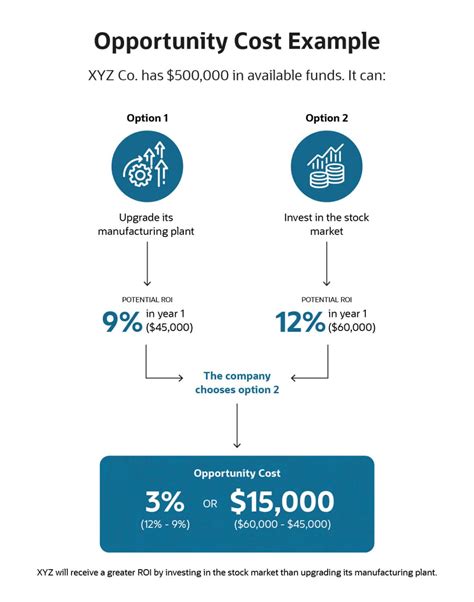
Economics is primarily concerned with the study of how individuals, businesses, and societies allocate their limited resources to satisfy their needs and wants. At its core, economics revolves around the following fundamental concepts:
1. Choice
Humans are constantly faced with choices due to the inherent scarcity of resources. Economics examines how individuals make decisions in the face of these constraints, weighing the benefits and costs of different options.
2. Value
Economics attempts to quantify the relative worth of goods and services through concepts such as utility and market prices. Understanding value is crucial for determining how resources should be allocated to maximize overall well-being.
3. Resource Allocation
With limited resources, economics explores how societies decide to utilize their factors of production (land, labor, capital, and entrepreneurship) to produce and distribute goods and services. This efficient allocation ensures that resources are used in the most productive manner.
Microeconomics
Microeconomics focuses on the behavior of individual economic agents, such as consumers, firms, and households. It examines factors influencing their decision-making, market dynamics, and the determination of prices.
Macroeconomics
Macroeconomics studies the economy as a whole or at a national level. It analyzes macroeconomic variables such as unemployment, inflation, economic growth, and government policies to understand the overall health of an economy.
Other Fields of Economics
Beyond micro and macroeconomics, economics encompasses various specialized fields, including:
- Behavioral Economics: Integrates insights from psychology and economics to explain individual economic behavior.
- Development Economics: Focuses on economic growth and development in developing countries.
- Environmental Economics: Examines the economic impact of environmental policies and natural resource management.
- Health Economics: Analyzes economic factors related to healthcare, health outcomes, and healthcare delivery.
Data and Statistics in Economics
Economics heavily relies on data and statistical analysis to understand and predict economic phenomena. Organizations such as the World Bank, International Monetary Fund (IMF), and national statistical agencies publish vast amounts of data on economic indicators, enabling economists to conduct research, forecast economic trends, and inform policy decisions.
The principles of economics have numerous applications in the real world, including:
- Business Decision-Making: Businesses use economic analysis to optimize production, pricing, and marketing strategies.
- Public Policymaking: Government policymakers leverage economic principles to design policies related to taxation, healthcare, education, and environmental regulation.
- Resource Management: Economics aids in the sustainable utilization of scarce resources, such as energy, water, and land.
- Understanding Economic Trends: Economics helps us comprehend the dynamics of economic growth, inflation, unemployment, and market fluctuations.
- Oversimplifying Economic Models: Economic models should be used as simplifications of reality, not as exact representations. Recognizing their limitations is essential.
- Confusing Correlation with Causation: Identifying correlation between economic variables does not imply causation. Statistical analysis should be used cautiously to establish causal relationships.
- Ignoring Externalities: Economic decisions often have externalities (uncompensated costs or benefits to third parties). These should be considered in policymaking and resource allocation.
Economics plays a pivotal role in understanding the complex world we live in, providing insights into how individuals, businesses, and societies make choices, allocate resources, and navigate economic challenges. By comprehending economic principles, we can make informed decisions, develop sound policies, and contribute to sustainable economic growth and well-being.
- World Bank Data
- International Monetary Fund
- National Bureau of Economic Research
- Khan Academy: Economics
- EconLib