Introduction
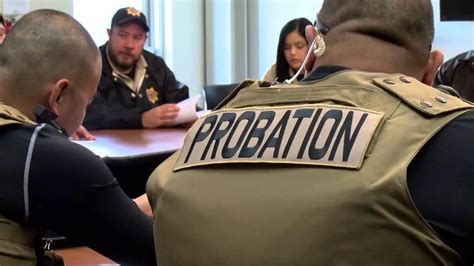
Working with juveniles in the justice system is a challenging yet fulfilling career path that offers opportunities to make a meaningful impact on the lives of troubled youth. Juvenile probation officer internships provide an immersive experience for individuals interested in this field, equipping them with the skills and knowledge necessary to succeed as a probation officer.
What is Juvenile Probation?
Juvenile probation is a court-ordered program that provides supervision and support to young offenders who have been convicted of crimes. The goal of probation is to help juveniles rehabilitate and prevent them from re-offending. Probation officers work closely with juveniles, their families, and the community to develop and implement individualized treatment plans that address the underlying causes of their criminal behavior.
Benefits of Juvenile Probation Officer Internships
- Gain practical experience: Interns work under the supervision of experienced probation officers, gaining hands-on experience in all aspects of juvenile probation, including case management, supervision, and reporting.
- Develop essential skills: Interns acquire communication, interpersonal, and problem-solving skills that are crucial for working with juveniles and their families.
- Enhance knowledge base: Internships expose interns to the complexities of the juvenile justice system, including the legal framework, criminological theories, and best practices.
- Build professional connections: Interns network with probation officers, judges, lawyers, and other professionals in the field, expanding their knowledge base and potential career opportunities.
Qualifications for Juvenile Probation Officer Internships
- Pursuing a degree in social work, criminal justice, or a related field
- Strong interest in working with juveniles
- Excellent communication and interpersonal skills
- Commitment to confidentiality and ethical standards
- Ability to work independently and as part of a team
Where to Find Juvenile Probation Officer Internships
- Local probation departments: Most probation departments offer internship programs for students and recent graduates.
- Colleges and universities: Many universities partner with local probation departments to provide internship opportunities.
- Nonprofit organizations: Some nonprofit organizations that work with juvenile offenders may offer internship programs.
The Internship Experience
Juvenile probation officer interns typically work 10-20 hours per week, assisting probation officers with a variety of tasks, including:
- Case management: Assessing juveniles’ needs, developing individualized treatment plans, and monitoring progress.
- Supervision: Meeting with juveniles regularly, providing guidance and support, and enforcing court-ordered conditions.
- Reporting: Writing case reports, documenting progress, and evaluating treatment effectiveness.
- Community engagement: Participating in community events and working with other agencies to provide support services for juveniles and their families.
Career Outlook for Juvenile Probation Officers
The U.S. Bureau of Labor Statistics projects that the employment of probation officers and correctional treatment specialists will grow by 4% from 2021 to 2031. This growth is attributed to increasing demand for juvenile and adult probation services.
Motivations to Become a Juvenile Probation Officer
- Passion for helping others: Juvenile probation officers are driven by a desire to make a positive impact on the lives of juveniles, helping them overcome challenges and achieve their full potential.
- Belief in rehabilitation: Probation officers believe that juveniles can be rehabilitated and that they deserve a second chance. They work to empower juveniles with the skills and support they need to succeed.
- Community involvement: Juvenile probation officers play an active role in their communities, working to prevent crime and support at-risk youth.
Common Mistakes to Avoid in Juvenile Probation Officer Internships
- Lack of preparation: Interns should thoroughly research the juvenile justice system and probation before starting their internships.
- Lack of empathy: It is important for interns to develop empathy for the juveniles they work with, understanding their backgrounds and challenges.
- Overstepping boundaries: Interns should respect the professional boundaries established by their supervisors and not attempt to take on more than they are prepared for.
- Lack of confidentiality: Interns must maintain the confidentiality of all case information and only disclose it to authorized individuals.
Frequently Asked Questions
1. What are the educational requirements for becoming a probation officer?
Most probation departments require a bachelor’s degree in social work, criminal justice, or a related field. Some states may have additional certification requirements.
2. How long is the probation officer internship typically?
Internships typically last for one semester or academic year.
3. What are the typical responsibilities of a probation officer?
Probation officers assess juveniles’ needs, develop individualized treatment plans, supervise juveniles, write case reports, and participate in community engagement activities.
4. What is the starting salary for a probation officer?
The starting salary for a probation officer varies depending on location and experience. According to the U.S. Bureau of Labor Statistics, the median annual salary for probation officers and correctional treatment specialists in May 2021 was $66,700.
5. What are the benefits of working as a probation officer?
Probation officers enjoy competitive salaries, benefits, job security, and the opportunity to make a meaningful impact on the lives of juveniles.
6. What are the challenges of working as a probation officer?
Probation officers may face challenges such as high caseloads, dealing with difficult juveniles and families, and working in complex and demanding situations.
7. What kind of person is best suited for a career as a probation officer?
Probation officers should be compassionate, empathetic, and have strong communication and interpersonal skills. They should also be able to work independently and as part of a team.
8. What is the future of probation officer careers?
The future of probation officer careers is expected to be stable with growth projected in the coming years due to increasing demand for juvenile and adult probation services.