Introduction
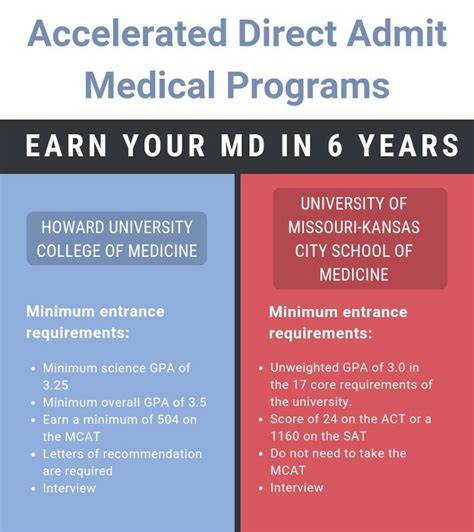
6-year BS/MD programs offer a unique and accelerated pathway to a medical degree. These programs combine undergraduate and medical school education into a single, streamlined curriculum, allowing students to earn both their Bachelor of Science (BS) and Doctor of Medicine (MD) degrees in just six years.

According to the Association of American Medical Colleges (AAMC), there are approximately 130 6-year BS/MD programs in the United States. These programs are highly competitive, with acceptance rates typically ranging from 1-5%.
Benefits of 6-Year BS/MD Programs
1. Time Savings: By combining undergraduate and medical school into a single program, 6-year BS/MD programs save students an average of two years compared to traditional pathways. This can result in significant cost savings on tuition and living expenses.
2. Early Exposure to Clinical Experiences: 6-year BS/MD programs typically incorporate clinical experiences into the undergraduate curriculum. This allows students to gain hands-on experience in patient care and develop their clinical skills at an early stage in their medical education.
3. Guaranteed Medical School Admission: Students who are accepted into 6-year BS/MD programs have a guaranteed seat in medical school. This provides peace of mind and eliminates the stress and uncertainty associated with applying to medical school separately.
4. Enhanced Mentorship and Support: 6-year BS/MD programs often provide students with personalized mentorship and support from faculty and administrators. This can help students navigate the challenges of medical education and prepare them for success in their future careers.
Challenges of 6-Year BS/MD Programs
1. High Academic Rigor: 6-year BS/MD programs are academically rigorous and demanding. Students must excel in both their undergraduate and medical coursework to maintain good standing in the program.
2. Limited Flexibility: The accelerated nature of 6-year BS/MD programs can limit students’ flexibility in terms of pursuing other interests or experiences outside of the program.
3. Potential Burnout: The accelerated pace and high workload of 6-year BS/MD programs can increase the risk of burnout in some students. It is important for students to prioritize self-care and seek support when needed.
Eligibility and Application Process
Eligibility for 6-year BS/MD programs typically requires students to:
- Have a strong academic record in high school, with a high GPA and standardized test scores.
- Demonstrate a passion for medicine and healthcare.
- Participate in extracurricular activities that showcase leadership, teamwork, and community involvement.
The application process usually involves submitting:
- A completed application form.
- Official high school transcripts.
- Standardized test scores (SAT or ACT).
- Personal statement and letters of recommendation.
- Interview with the admissions committee.
Effective Strategies for Success
- Prepare Thoroughly for the Application: Start researching and preparing for the application process early on in your high school career.
- Excel in Your Academic Studies: Maintain a strong GPA and standardized test scores. Focus on subjects that are relevant to medicine, such as science, math, and writing.
- Gain Experience in Healthcare: Volunteer or work in healthcare settings to gain hands-on experience and demonstrate your commitment to medicine.
- Build Your Leadership and Communication Skills: Participate in extracurricular activities that showcase your leadership abilities and communication skills. This will help you stand out from other applicants.
- Seek Mentorship and Support: Find a mentor or advisor who can provide you with guidance and support throughout the application process and your time in the program.
Comparison of Pros and Cons
Pros:
- Time savings
- Early exposure to clinical experiences
- Guaranteed medical school admission
- Enhanced mentorship and support
Cons:
- High academic rigor
- Limited flexibility
- Potential burnout
Frequently Asked Questions
1. What are the admission requirements for 6-year BS/MD programs?
Eligibility typically requires a strong academic record, passion for medicine, and extracurricular activities that demonstrate leadership and community involvement.
2. How many 6-year BS/MD programs are there in the United States?
There are approximately 130 6-year BS/MD programs in the United States.
3. What is the acceptance rate for 6-year BS/MD programs?
Acceptance rates typically range from 1-5%.
4. What is the cost of 6-year BS/MD programs?
The cost of tuition and fees for 6-year BS/MD programs varies depending on the institution. However, it is typically lower than the cost of attending medical school separately.
5. What is the curriculum like in 6-year BS/MD programs?
The curriculum combines undergraduate and medical school courses, with an emphasis on clinical experiences.
6. What kind of support do students receive in 6-year BS/MD programs?
Students typically receive personalized mentorship and support from faculty and administrators.
7. What kind of careers can I pursue with a 6-year BS/MD degree?
With a 6-year BS/MD degree, you can pursue a wide range of careers in medicine, including primary care, research, and surgery.
8. What are the benefits of pursuing a 6-year BS/MD degree?
The benefits include time savings, early exposure to clinical experiences, guaranteed medical school admission, and enhanced mentorship and support.
Conclusion
6-year BS/MD programs offer a unique and accelerated pathway to a medical career. While these programs are challenging, they can also provide a number of benefits, including time savings, early exposure to clinical experiences, and guaranteed medical school admission. It is important for prospective students to carefully consider the pros and cons of these programs and ensure that they are prepared for the high academic rigor and demanding schedule.