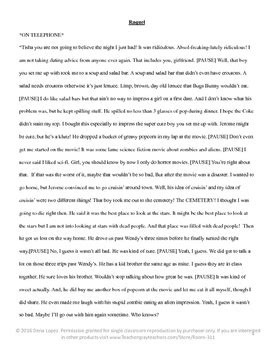
Monologues are powerful literary devices that provide actors with the opportunity to express their innermost thoughts and emotions. A well-crafted 1-minute monologue can captivate an audience with its emotional depth, compelling narrative, and unforgettable characters.

The Art of Crafting a 1-Minute Monologue
Creating a successful 1-minute monologue requires a combination of writing skill, performance ability, and a deep understanding of human nature. Here are key considerations:
- Choose a Compelling Topic: Select a topic that resonates with your audience, whether it’s a personal experience, a current event, or a universal emotion.
- Develop a Strong Character: Create a character with a clear motivation, unique personality traits, and emotional arc.
- Write Authentic Dialogue: Use language that is natural, engaging, and true to the character’s perspective.
- Rehearse and Refine: Practice delivering your monologue repeatedly to fine-tune your performance and ensure a seamless flow.
Benefits of Using 1-Minute Monologues
1-minute monologues offer numerous benefits for actors, educators, and audiences alike:
For Actors:
- Improved Communication Skills: Monologues demand clear and articulate speech, which enhances overall communication skills.
- Emotional Growth: Performing monologues allows actors to explore a wide range of emotions, fostering emotional intelligence.
- Increased Confidence: Delivering a well-received monologue increases actors’ confidence in their abilities and stage presence.
For Educators:
- Teaching Literary Analysis: Monologues provide concrete examples for teaching literary devices, character development, and narrative structure.
- Developing Critical Thinking Skills: Students must analyze and interpret monologues to understand their meaning and context.
- Nurturing Creativity: Creating monologues encourages students to use their imagination and express their own unique perspectives.
For Audiences:
- Captivation: Monologues have the power to draw audiences in with their relatable characters and thought-provoking themes.
- Emotional Impact: The emotional intensity of monologues can leave a lasting impression on viewers.
- Inspiration: Monologues often inspire audiences to reflect on their own experiences and perspectives.
Applications of 1-Minute Monologues
The versatility of 1-minute monologues makes them applicable in various settings:
- Acting Classes: As exercises for character development, vocal projection, and emotional exploration.
- Theater Performances: As stand-alone pieces or integrated into plays.
- Public Speaking Engagements: To convey a message or inspire others.
- Online Platforms: As short videos on social media or streaming services.
- Creative Writing: As sources of inspiration for developing storylines and characters.
Table 1: Benefits of Using 1-Minute Monologues
| Benefit | Description |
|---|---|
| Improved Communication Skills | Monologues enhance clear and articulate speech. |
| Emotional Growth | Actors explore a range of emotions, fostering emotional intelligence. |
| Increased Confidence | Delivering well-received monologues boosts actors’ stage presence and confidence. |
| Teaching Literary Analysis | Monologues provide examples for teaching literary devices and narrative structure. |
| Developing Critical Thinking Skills | Students analyze and interpret monologues to understand their meaning. |
| Nurturing Creativity | Creating monologues encourages imagination and expression of unique perspectives. |
| Captivation | Monologues engage audiences with relatable characters and thought-provoking themes. |
| Emotional Impact | The emotional intensity of monologues leaves a lasting impression on viewers. |
| Inspiration | Monologues inspire audiences to reflect on their own experiences and perspectives. |
Table 2: Pain Points Addressed by 1-Minute Monologues
| Pain Point | Solution |
|---|---|
| Limited Stage Time | Short monologues provide opportunities for actors with smaller roles. |
| Lack of Memorization Skills | 1-minute monologues are manageable in length, improving memorization. |
| Hesitancy to Perform | Short monologues reduce performance anxiety and build confidence. |
| Disinterest in Longer Monologues | Brief monologues maintain audience attention and engagement. |
Table 3: Motivations for Creating and Performing 1-Minute Monologues
| Motivation | Description |
|---|---|
| Passion for Acting | Allows actors to express their love for the craft. |
| Explore Emotional Depth | Monologues provide opportunities to explore complex emotions. |
| Develop Stage Presence | Performing monologues enhances confidence and stage presence. |
| Share Personal Experiences | Monologues allow actors to share their own stories and perspectives. |
| Inspire Others | Actors use monologues to convey messages and inspire audiences. |
Table 4: Creative “M” Word to Generate Ideas for 1-Minute Monologues
| Letter | Description | Examples |
|---|---|---|
| Memories | Personal recollections and reflections | Childhood memories, lost love |
| Moments | Significant events or experiences | First kiss, overcoming a challenge |
| Meaning | Reflections on life, purpose, or values | The meaning of happiness, the impact of loss |
| Metamorphosis | Personal growth or transformation | Breaking out of a comfort zone, embracing a new identity |
| Minor | Seemingly insignificant details or events | A forgotten object, a chance encounter |
Conclusion
1-minute monologues are powerful tools for engaging, captivating, and inspiring audiences. Their benefits extend beyond the stage, fostering emotional growth, communication skills, and critical thinking abilities. By embracing the art of crafting and performing 1-minute monologues, actors, educators, and communicators can unlock a world of self-expression, creativity, and human connection.