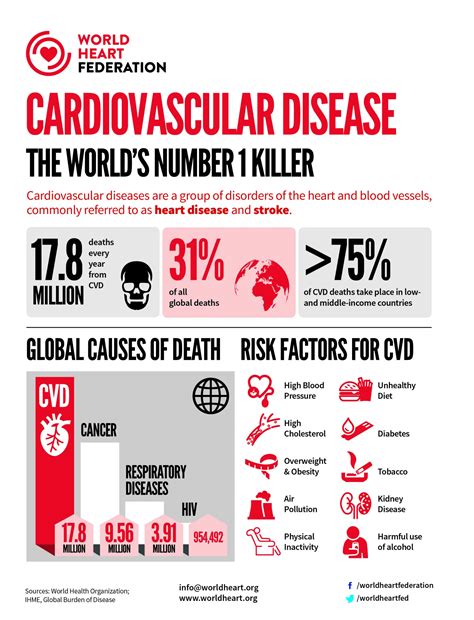
Cardiovascular disease (CVD) is a leading cause of death worldwide, responsible for the loss of nearly 18 million lives annually. The World Health Organization (WHO) estimates that more than 1 billion people worldwide suffer from hypertension, a major risk factor for CVD.

Prevalence and Risk Factors
CVD encompasses a range of conditions affecting the heart and blood vessels, including coronary heart disease, stroke, and heart failure. It is a major concern in both developed and developing countries.
- In the United States, CVD is the leading cause of death, accounting for nearly 25% of all deaths in 2020.
- In the European Union, CVD is responsible for more than 4 million deaths annually, a figure projected to rise to 5.6 million by 2050.
- In India, CVD is the leading cause of death among adults over the age of 40, with an estimated 28 million people affected.
Risk factors for CVD include:
- Smoking
- High blood pressure
- High cholesterol
- Diabetes
- Obesity
- Physical inactivity
- Poor diet
- Excessive alcohol consumption
CVD poses a significant burden on individuals, health systems, and society as a whole.
Individual Impact
- CVD leads to premature death and disability, affecting individuals of all ages.
- It is responsible for a range of symptoms, including chest pain, shortness of breath, fatigue, and weakness.
- CVD can lead to chronic conditions, such as heart failure and stroke, which can significantly impact quality of life.
Societal Impact
- CVD places a heavy burden on health systems, accounting for a large share of healthcare expenditures.
- It is a major cause of lost productivity and premature retirement, resulting in economic losses to society.
- CVD can lead to increased healthcare costs, reduced tax revenue, and decreased social welfare resources.
Preventing and managing CVD is crucial to reducing the burden of this devastating disease. There are numerous strategies that individuals and healthcare providers can implement:
Prevention
- Maintain a healthy weight: Obesity is a major risk factor for CVD. Aim for a healthy Body Mass Index (BMI) of less than 25.
- Engage in regular physical activity: Aim for at least 150 minutes of moderate-intensity exercise or 75 minutes of vigorous-intensity exercise per week.
- Follow a healthy diet: Focus on consuming fruits, vegetables, whole grains, and lean protein. Limit saturated fat, trans fat, and added sugar.
- Quit smoking: Smoking is the leading preventable cause of CVD. quitting can significantly reduce your risk.
- Control blood pressure: Hypertension is a major risk factor for CVD. Regularly monitor your blood pressure and take medication as prescribed by your doctor.
- Manage cholesterol levels: High cholesterol is another major risk factor for CVD. Follow a healthy diet and take medication as prescribed to manage cholesterol levels.
- Control blood sugar: Diabetes is a major risk factor for CVD. If you have diabetes, manage your blood sugar levels through diet, exercise, and medication as prescribed.
Management
- Medication: There are a range of medications available to treat and manage CVD, including antihypertensives, cholesterol-lowering drugs, antiplatelet drugs, and anticoagulants.
- Lifestyle changes: Making healthy lifestyle changes, such as those described above, can significantly improve outcomes for individuals with CVD.
- Rehabilitation: Cardiac rehabilitation programs provide supervised exercise, education, and support to help individuals recover from CVD and improve their overall health.
- Surgery and procedures: In some cases, surgery or other procedures may be necessary to treat CVD, such as coronary artery bypass surgery or angioplasty.
Cardiovascular disease is a major global health challenge, affecting 1 in 2 people worldwide. It is a leading cause of death and disability, and it poses a significant burden on individuals, health systems, and society.
By implementing preventative measures and promoting healthy lifestyles, we can significantly reduce the burden of CVD and improve the health and well-being of populations around the world.